Integrating Machine Learning in Structural Health Monitoring: An Interview with Dr. Elena Kostova
In this interview, Dr. Elena Kostova, an expert in machine learning applications in engineering, discusses the transformative impact of ML on structural health monitoring in Europe.
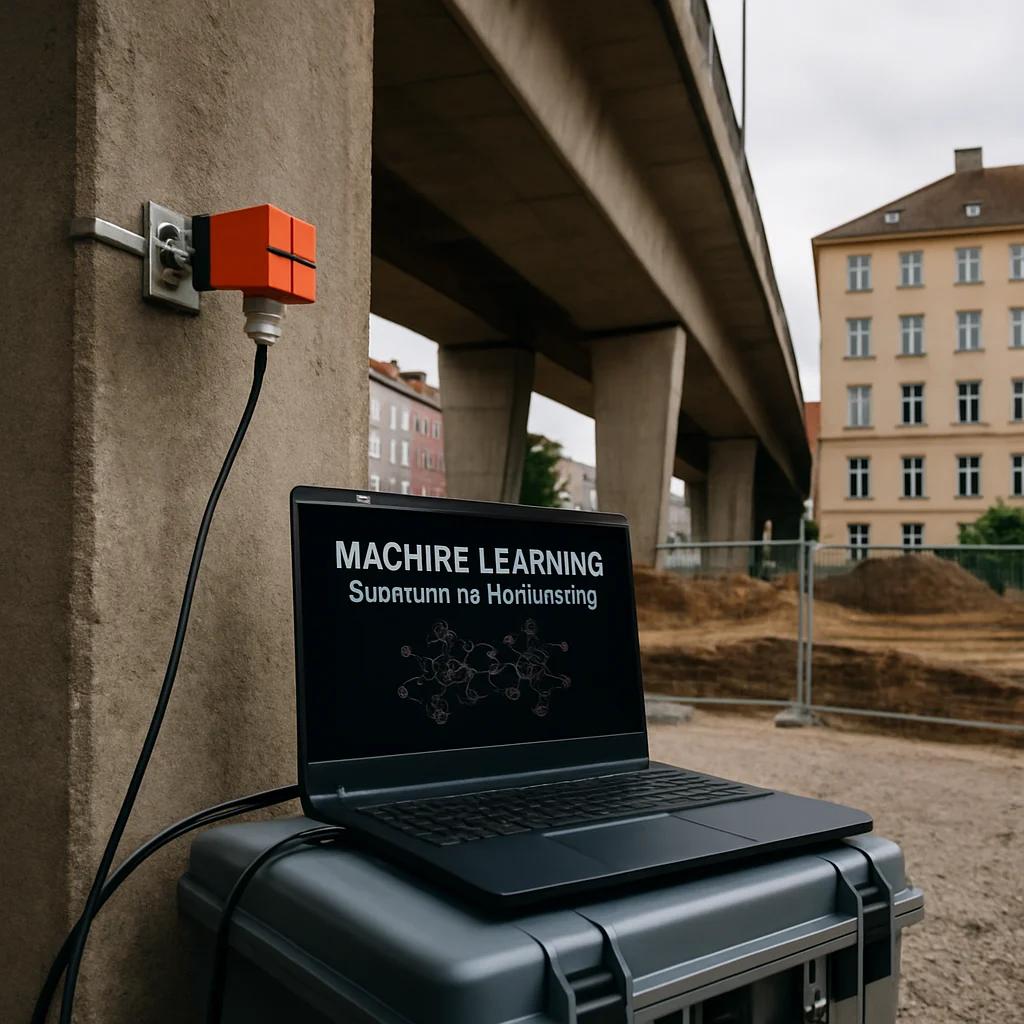
In the rapidly evolving field of civil engineering, the integration of machine learning (ML) into structural health monitoring (SHM) systems is a transformative trend. To delve deeper into this subject, we spoke with Dr. Elena Kostova, a leading expert in machine learning applications in engineering, to gain insights on the practical implications and future of ML in SHM within Europe.
Understanding Structural Health Monitoring (SHM)
Q: Can you explain what Structural Health Monitoring entails?
Dr. Kostova: Structural Health Monitoring encompasses the process of implementing a damage identification and characterization strategy for engineering structures. It involves the use of sensors and data acquisition systems to monitor the condition of structures over time. By continuously assessing factors such as strain, temperature, and vibration, engineers can predict potential failures and ensure the safety and longevity of buildings and infrastructure.
The Role of Machine Learning in SHM
Q: How is machine learning being integrated into SHM?
Dr. Kostova: Machine learning enhances SHM by enabling more effective data analysis and pattern recognition. Traditional methods rely heavily on predefined models, whereas ML algorithms can learn from large datasets and adapt to new, unforeseen conditions. This capability allows for improved anomaly detection, predictive maintenance, and reduced false alarms.
Current Trends in Europe
Q: What are the current trends in ML applications for SHM in Europe?
Dr. Kostova: Europe is leading in implementing advanced ML techniques in SHM. Some notable trends include:
- Real-Time Monitoring: Utilizing IoT devices and ML algorithms for real-time analysis, allowing for immediate response to structural anomalies.
- Data Fusion: Combining data from multiple sources (e.g., sensors, drones, satellite imagery) to create comprehensive models of structural health.
- Predictive Analytics: Using historical data and machine learning models to forecast potential structural failures, enhancing preventive maintenance strategies.
Challenges and Limitations
Q: What challenges do engineers face when incorporating ML into SHM?
Dr. Kostova: While integrating ML into SHM presents numerous opportunities, there are significant challenges:
- Data Quality: High-quality, labeled datasets are crucial for training effective ML models, which are often difficult to obtain.
- Interdisciplinary Knowledge: Bridging the gap between machine learning experts and civil engineers is essential for successful implementation, requiring collaborative efforts.
- Regulatory Hurdles: Building codes and regulations may lag behind technological advancements, posing hurdles for widespread adoption.
Future Prospects
Q: What does the future hold for machine learning in SHM?
Dr. Kostova: The future looks promising. With advancements in algorithms and computing power, we can expect:
- Increased Automation: More automated systems that require minimal human intervention and can perform complex analytics.
- Enhanced Collaboration: Greater partnerships between academia, industry, and government agencies to push the boundaries of what is possible in SHM.
- Broader Adoption: As we demonstrate the effectiveness of these technologies, we will see wider acceptance and implementation across various sectors.
Conclusion
The integration of machine learning into structural health monitoring represents a significant leap forward in ensuring the safety and sustainability of our built environment. Through the insights provided by Dr. Elena Kostova, it is clear that while challenges remain, the benefits far outweigh them. Europe stands at the forefront of this technological evolution, paving the way for smarter, more resilient infrastructure.