Building Resilience: Fitness Strategies for Coastal City Infrastructure
Coastal cities face unique challenges such as rising sea levels and increased storm intensity. This article delves into fitness strategies tailored for these urban environments, comparing various tools and methodologies to enhance resilience.
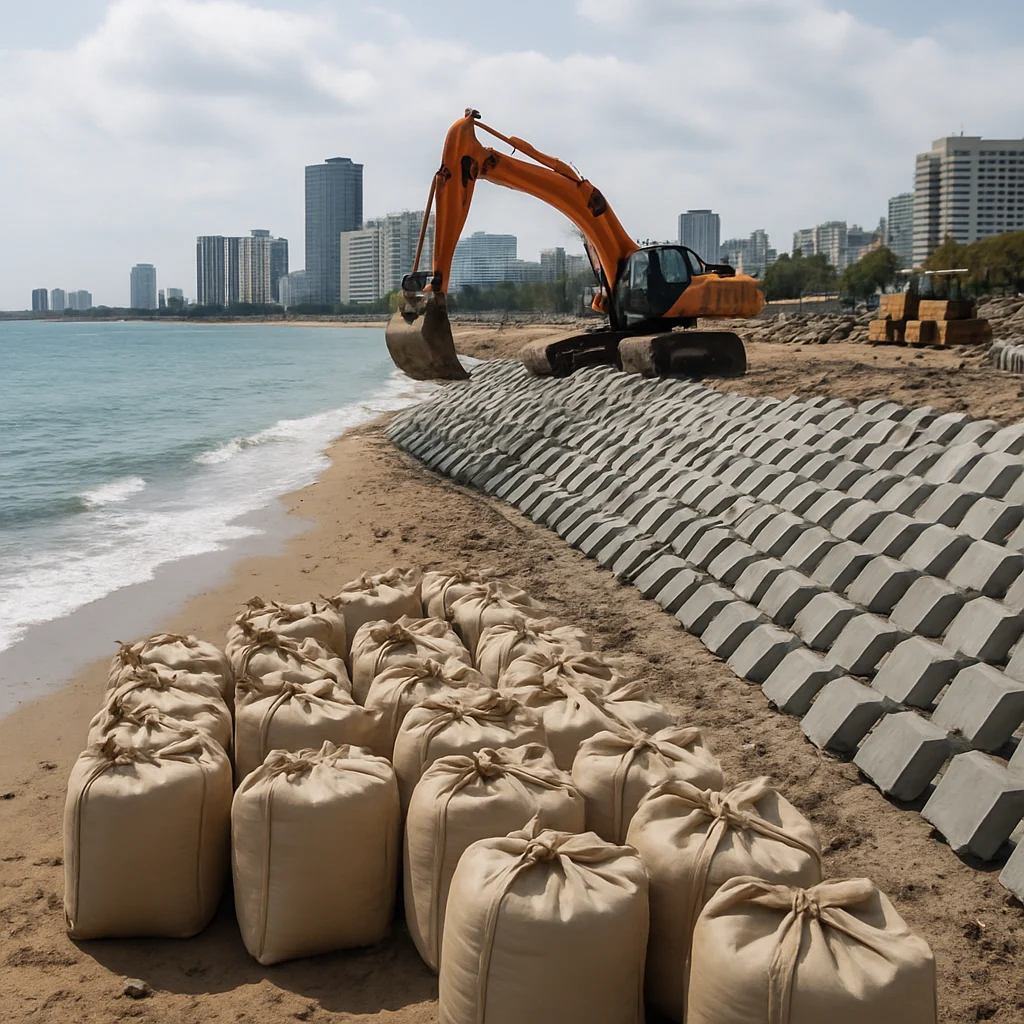
As climate change accelerates, coastal cities are increasingly vulnerable to rising sea levels, flooding, and severe weather events. Thus, implementing resilience strategies is crucial for preserving infrastructure, ensuring public safety, and sustaining economic vitality. This article explores various fitness strategies tailored for coastal cities, focusing on tools and methodologies that engineers, architects, builders, and real estate professionals can leverage to enhance urban resilience.
Understanding Coastal City Challenges
Coastal cities confront a unique set of challenges that necessitate innovative and effective resilience strategies. Some of the primary issues include:
- Rising Sea Levels: Global warming has led to significant ice melt and thermal expansion of seawater, threatening coastal infrastructure.
- Increased Flooding: More frequent and intense storms can overwhelm drainage systems, leading to urban flooding.
- Coastal Erosion: The natural coastline can erode due to storm surges, putting structures at risk.
- Infrastructure Stress: Aging infrastructure in coastal areas may not withstand extreme weather conditions.
Key Fitness Strategies for Resilience
To combat these challenges, coastal cities can adopt several fitness strategies that focus on enhancing infrastructure stability while promoting sustainable practices. The following strategies outline actionable steps for creating resilient coastal urban environments:
1. Elevated Infrastructure
One of the primary strategies for coastal cities is to elevate new constructions and critical infrastructure above anticipated flood levels. This can include:
- Raising roads, bridges, and buildings to withstand higher water levels.
- Implementing flood barriers or levees to protect low-lying areas.
2. Green Infrastructure
Green infrastructure employs natural systems to enhance urban utility, mitigate flooding, and improve air quality. Key components include:
- Creating green roofs and walls to absorb rainfall and reduce heat.
- Establishing permeable pavements for better water absorption and reduced runoff.
3. Improved Drainage Systems
Modernizing drainage systems is vital for managing heavy rainfall and stormwater. Effective strategies include:
- Incorporating smart technology to optimize water flow and prevent flooding.
- Utilizing rain gardens and bioswales to manage runoff and filter pollutants.
Tools for Implementing Resilience Strategies
There are various tools and methodologies available to help planners and engineers implement fitness strategies for urban resilience. Below is a comparison of three notable tools:
| Tool | Description | Key Features | Best Use Case |
|---|---|---|---|
| Resilience Tracker | A software application for assessing the resilience of infrastructure. | Data analysis capabilities, scenario modeling, risk assessment. | Evaluating existing infrastructure under flood scenarios. |
| Coastal Vulnerability Assessment Tool | This tool helps identify areas at risk of coastal hazards. | GIS mapping, hazard scoring, multi-criteria analysis. | Identifying at-risk communities and infrastructure. |
| Green Infrastructure Design Software | A tool specifically designed for planning and designing green infrastructure. | Landscape simulation, cost estimation, environmental impact metrics. | Designing parks, green roofs, and permeable pavements. |
Conclusion
As the challenges posed by climate change intensify, coastal cities must prioritize resilience strategies that ensure long-term sustainability and safety for their residents. By utilizing tools designed for assessing and implementing these strategies, professionals in architecture, engineering, and real estate can contribute to more robust and adaptable urban environments. Through techniques like elevated infrastructure, green initiatives, and modern drainage systems, coastal cities can not only survive but thrive amid changing climate conditions.