Implementing Effective Policies to Reduce Construction Emissions in the EU
A comprehensive guide for engineers and architects on how to navigate EU policies aimed at reducing construction emissions while maintaining project viability.
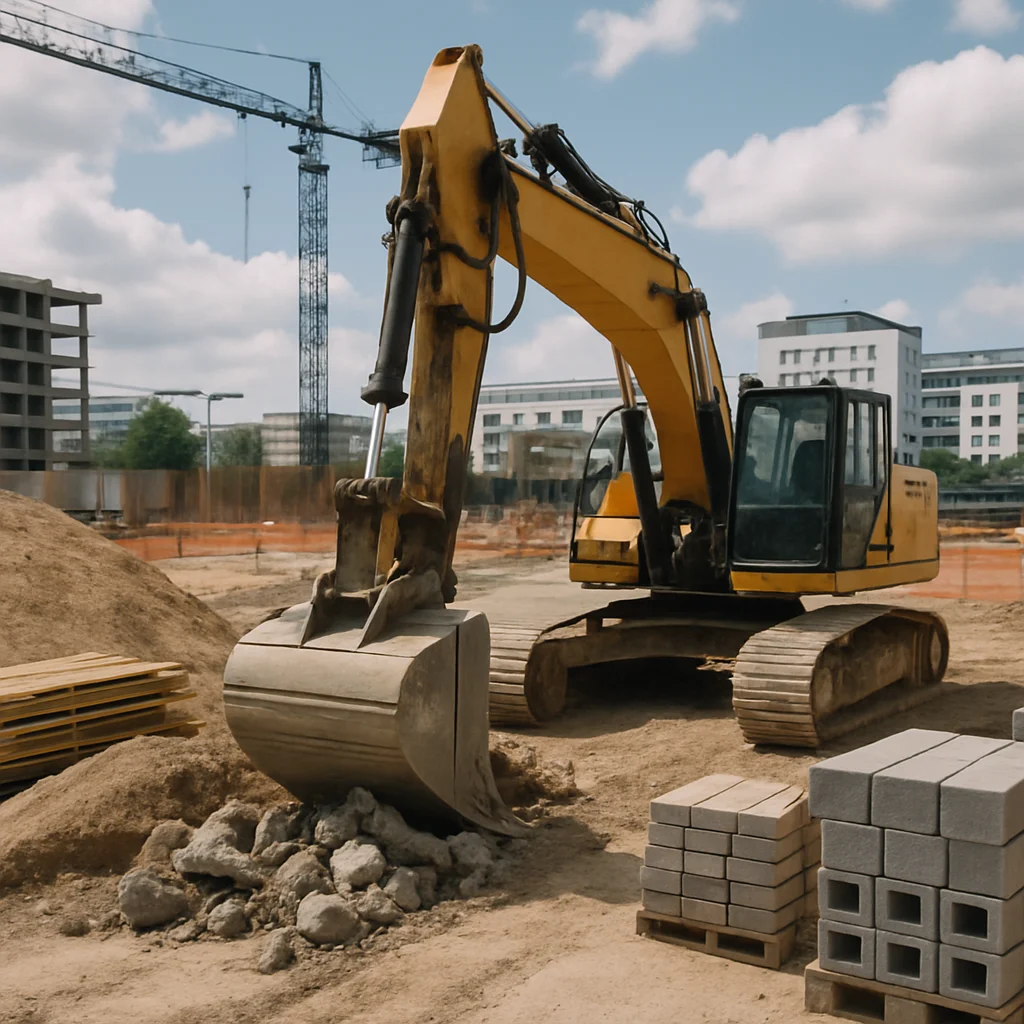
As the European Union intensifies its efforts to combat climate change, the construction industry faces growing pressure to reduce greenhouse gas emissions. This guide is designed for engineers, architects, builders, and real estate professionals, providing a step-by-step approach to understand and implement EU policies that can effectively mitigate construction-related emissions.
Understanding the EU Regulatory Landscape
The EU has established a framework aimed at achieving significant emission reductions in the construction sector. Understanding these regulations is crucial for ensuring compliance and optimizing project sustainability. Major initiatives include:
- The European Green Deal: A roadmap that aims to make Europe climate-neutral by 2050.
- EU Taxonomy for Sustainable Activities: A classification system that defines environmentally sustainable economic activities.
- Energy Performance of Buildings Directive (EPBD): Sets standards for energy efficiency in buildings.
Step 1: Assess Current Emission Levels
Before implementing any policy, it is essential to measure the current emissions generated by construction activities. Consider the following methods:
- Utilize emission factors specific to construction activities (e.g., material production, transport, site operations).
- Conduct a comprehensive carbon footprint analysis for existing projects.
- Implement monitoring systems to track emissions throughout the project lifecycle.
Step 2: Familiarize Yourself with Relevant Policies
Staying informed about both current and impending regulations is vital:
- Monitor policy updates from the EU and local governments related to construction emissions.
- Attend workshops and industry conferences focused on sustainability practices.
- Join professional organizations that provide resources and support on regulatory compliance.
Step 3: Develop a Sustainable Design Strategy
Incorporate sustainable design principles into your projects to minimize emissions:
- Prioritize the use of low-carbon materials and sustainable building technologies.
- Design for energy efficiency, aiming to exceed minimum standards set by the EPBD.
- Integrate renewable energy sources where feasible, such as solar panels or wind turbines.
Step 4: Implement Sustainable Construction Practices
During the construction phase, adopt practices that reduce emissions:
- Utilize local materials to reduce transport emissions.
- Optimize logistics to minimize trips and streamline material delivery.
- Train workers on sustainable practices, encouraging a culture of sustainability on-site.
Step 5: Measure and Report Emission Reductions
After implementing your strategies, measuring your success is key:
- Use standardized reporting frameworks such as the Global Reporting Initiative (GRI) to communicate your progress.
- Engage third-party verification services to validate emission reductions and enhance credibility.
- Share results with stakeholders, including clients and investors, to foster transparency.
Checklist for Reducing Construction Emissions
- ✔ Conduct baseline emissions assessments.
- ✔ Stay updated on EU regulations.
- ✔ Design for sustainability from the outset.
- ✔ Employ sustainable construction practices.
- ✔ Measure and report progress consistently.
Conclusion
The challenge of reducing construction emissions within the EU is significant, but by following these steps, professionals in the industry can effectively contribute to sustainability goals while maintaining compliance with evolving regulations. By fostering a culture of environmental responsibility, the construction sector can play a pivotal role in the EU’s transition towards a greener future.