Leveraging Prefab Housing: A Checklist for Affordable Fitness in Housing Design
Explore how prefab housing can be a game-changer for affordability and fitness in housing, with a practical checklist tailored for engineers, architects, builders, and real estate professionals.
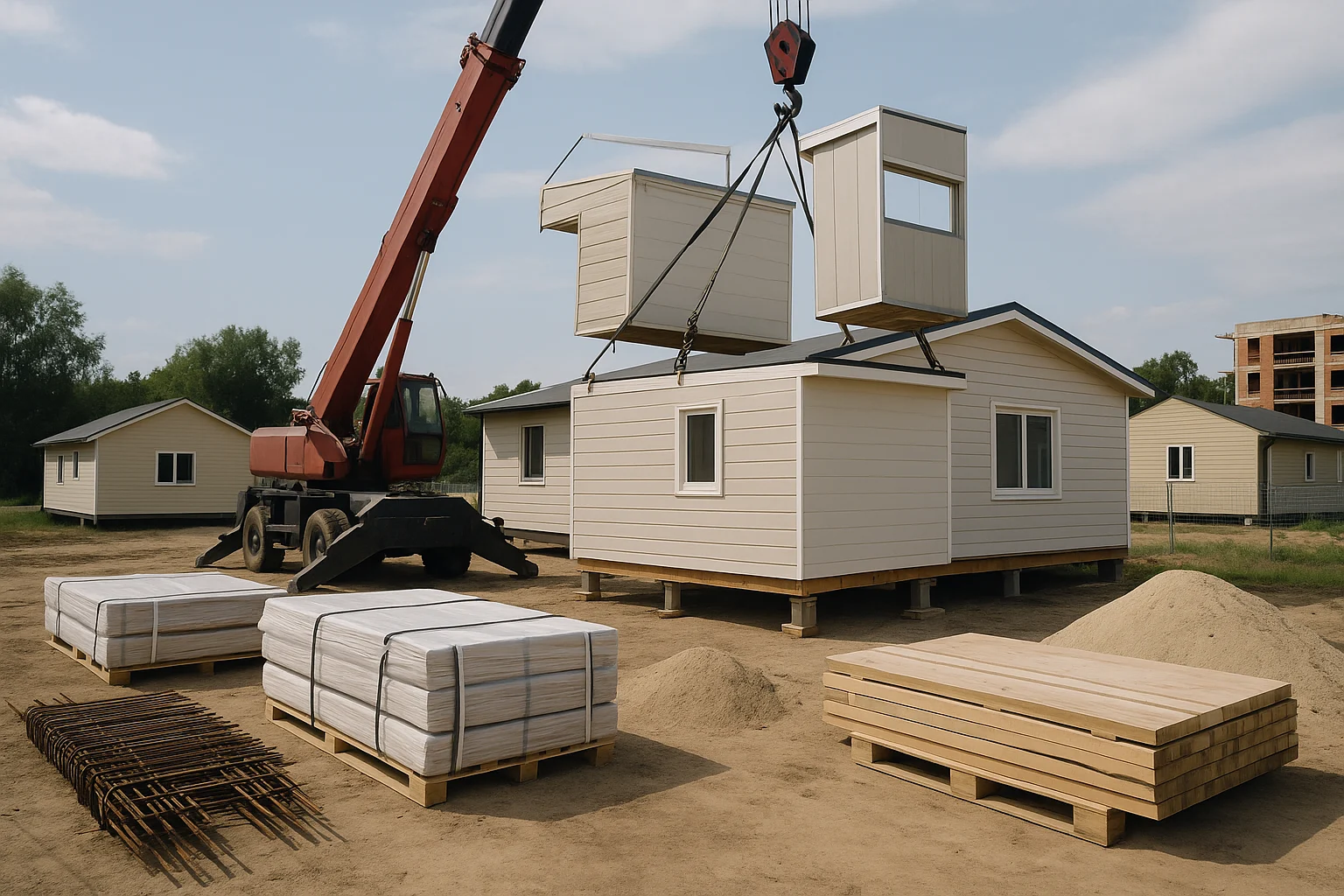
The quest for affordable housing has been a critical issue worldwide, as urban populations continue to swell and the demand for reasonable living space rises. Prefabricated (prefab) housing has emerged as a transformative solution in this landscape, promising speed, cost-efficiency, and sustainability. This article presents a structured checklist for engineers, architects, builders, and real estate professionals to consider when implementing prefab solutions in their designs to ensure affordability and enhance fitness aspects.
The Growing Importance of Affordability in Housing
Understanding the significance of affordable housing is crucial. Many regions are witnessing economic disparities, resulting in an acute need for housing options that do not compromise on quality or wellness. Prefab housing can meet this need through its innovative practices.
Why Choose Prefab Housing?
- Cost-Effectiveness: Prefab homes often require fewer materials and lesser labor, reducing overall costs.
- Time Efficiency: Modular construction allows for faster assembly, reducing timeline delays.
- Quality Control: Factory production enhances quality assurance and minimizes waste.
- Sustainability: Improved energy efficiency features can be integrated seamlessly into prefab designs.
Comprehensive Checklist for Prefab Housing Design
To harness the benefits of prefab housing while ensuring affordability and fitness, consider the following checklist:
| Criteria | Description | Acceptance Criteria | Common Pitfalls |
|---|---|---|---|
| Site Evaluation | Assess the geographical and environmental factors of the construction site. | Complete a thorough analysis of zoning laws, soil quality, and environmental impact. | Overlooking local regulations and site conditions can lead to delays and extra costs. |
| Design Flexibility | Incorporate adaptable designs to accommodate future modifications. | Ensure designs allow for easy expansion or modifications without significant structural changes. | Fixed designs may result in higher future renovation costs. |
| Material Selection | Choose high-quality, sustainable materials that meet affordability goals. | Material choices must balance cost, durability, and environmental impact. | Low-quality materials can lead to higher long-term maintenance costs. |
| Energy Efficiency | Integrate energy-efficient systems and renewable energy sources. | Achieve compliance with green building standards and certifications. | Neglecting energy efficiency can increase operating costs for residents. |
| Community Fit | Design housing that complements existing neighborhood aesthetics and community needs. | Engage community feedback during the design process and adhere to local architectural styles. | Ignoring community input can lead to local opposition and project delays. |
| Construction Timeline | Plan a realistic construction schedule that accommodates prefab logistics. | Establish clear milestones and avoid last-minute changes that can extend timelines. | Underestimating timeline dependencies can lead to costly overruns. |
| Budget Management | Establish a budget that includes all phases of the project. | Maintain clarity on budget constraints and allocate funds for contingencies. | Failing to account for unforeseen expenses can jeopardize project completion. |
Implementing Your Prefab Housing Plan
Once your checklist is set, the next steps involve implementation and monitoring. Adopting a project management approach can streamline your efforts:
- Assemble a Project Team: Gather a team of professionals with expertise in engineering, architecture, and construction.
- Conduct Stakeholder Meetings: Regularly engage stakeholders to discuss progress and address concerns.
- Track Milestones: Use project management tools to monitor progress against your timeline.
- Feedback Loops: Establish mechanisms for ongoing feedback from residents and community members.
Conclusion
Prefab housing presents a considerable opportunity to address the pressing issue of affordable housing through efficient design and construction techniques. By following the checklist provided, architects, engineers, builders, and real estate professionals can ensure that their projects remain on track, sustainable, and community-focused. As the demand for affordable housing intensifies, embracing the prefab model may very well be the pathway to resilient and inclusive communities.