The Ultimate Checklist for Implementing Real-Time Site Logistics Analytics in Fitness Facilities
This comprehensive checklist outlines essential criteria for integrating real-time logistics analytics into fitness facilities, ensuring optimized operations and enhanced user experience.
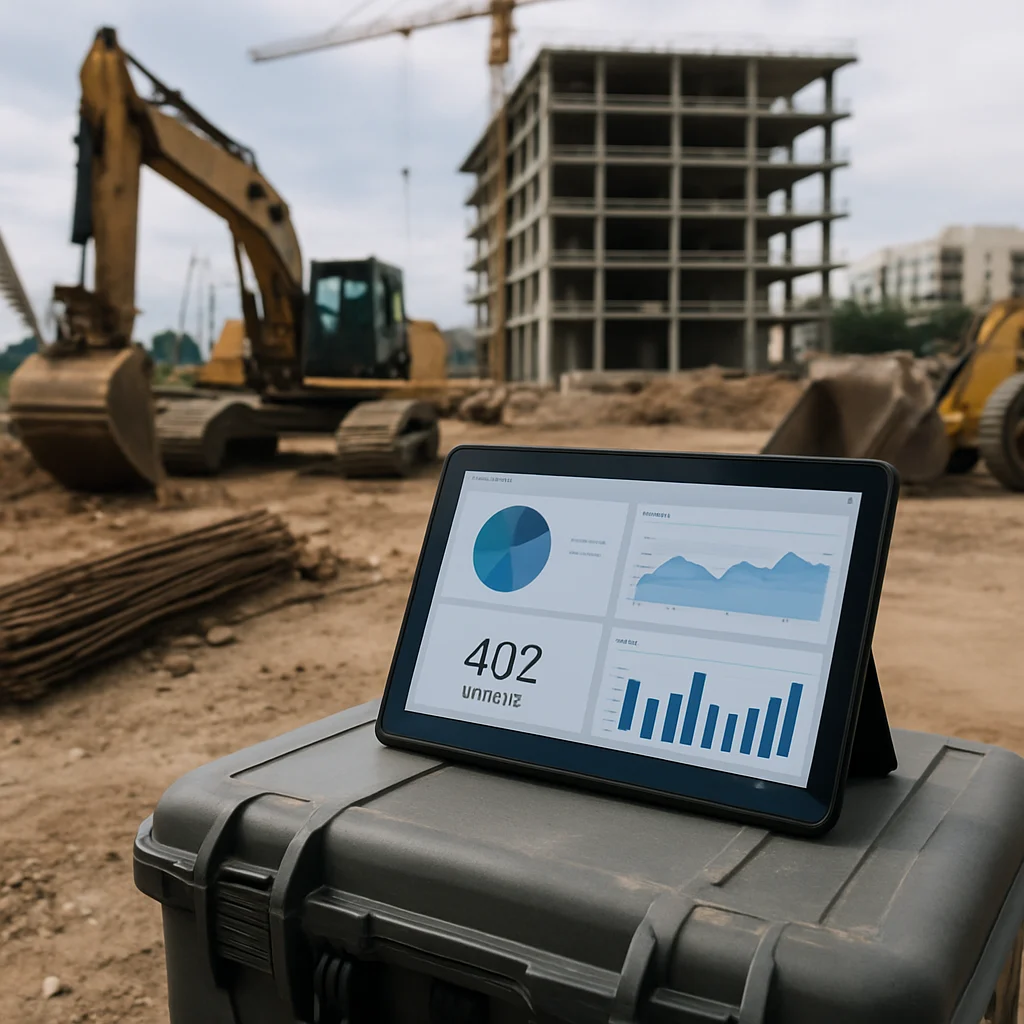
The fitness industry is rapidly evolving, and integrating advanced technologies such as real-time site logistics analytics is essential for optimizing operations and ensuring superior member experiences. This checklist aims to guide engineers, architects, builders, and real-estate professionals in the effective implementation of these analytics within fitness facilities. This structured approach mitigates common pitfalls and enhances operational efficiency.
1. Define Objectives and Metrics
- Identify Key Performance Indicators (KPIs): Determine the metrics that matter most for your fitness facility (e.g., member engagement, space utilization, equipment usage).
- Set Clear Objectives: Outline specific goals for implementing analytics, including improved operational efficiency and enhanced customer satisfaction.
2. Evaluate Current Infrastructure
- Assess Existing Technology: Review current systems in place for tracking usage patterns and managing logistics.
- Identify Gaps: Recognize areas where current infrastructure may fall short of facilitating real-time data capture.
3. Choose the Right Analytics Tools
- Research Platforms: Investigate various analytics software tailored for the fitness industry.
- Consider Scalability: Select tools that can grow with your facility’s evolving needs.
4. Establish Data Collection Methods
- Implement IoT Devices: Use Internet of Things (IoT) devices to gather real-time data on equipment and space usage.
- Integrate Member Feedback: Utilize surveys and feedback tools to complement analytics data.
5. Ensure Data Accuracy and Security
- Regular Data Audits: Conduct routine checks to ensure data collected is accurate and reliable.
- Prioritize Security: Implement robust security measures to protect sensitive member data.
6. Train Staff and Stakeholders
- Develop Training Programs: Offer comprehensive training for staff on how to utilize analytics tools effectively.
- Engage Stakeholders: Involve all relevant parties in the understanding and application of analytics insights.
7. Analyze and Interpret Data
- Regular Review Sessions: Schedule regular meetings to analyze data trends and how they align with business objectives.
- Utilize Visualizations: Use graphs and dashboards to simplify the interpretation of data for stakeholders.
8. Implement Continuous Improvement Practices
- Feedback Loops: Establish mechanisms for continuous feedback from users regarding analytics and operations.
- Iterate on Processes: Be prepared to adjust processes based on data insights to enhance efficiency continuously.
9. Measure Success Against Initial Objectives
- Quantify Success: Compare current performance metrics against the pre-defined KPIs.
- Report Findings: Share successes and challenges with stakeholders to maintain transparency and support.
Conclusion
Integrating real-time site logistics analytics into fitness facilities necessitates a structured approach that emphasizes clear objectives, robust technology, and continuous improvement. Following this checklist can help ensure a successful implementation that enhances operational efficiency while providing exceptional experiences for facility members. By staying proactive and responsive to data insights, fitness facility professionals can create a well-oiled machine that supports the health and well-being of their communities.