Navigating the Future of Industrial Automation: The Role of Safety PLCs and SIL Verification in the EU Market
This article explores the critical landscape of industrial automation in the EU, focusing on the importance of Safety PLCs and SIL verification, along with market drivers, risks, and a strategic outlook for the next 12-24 months.
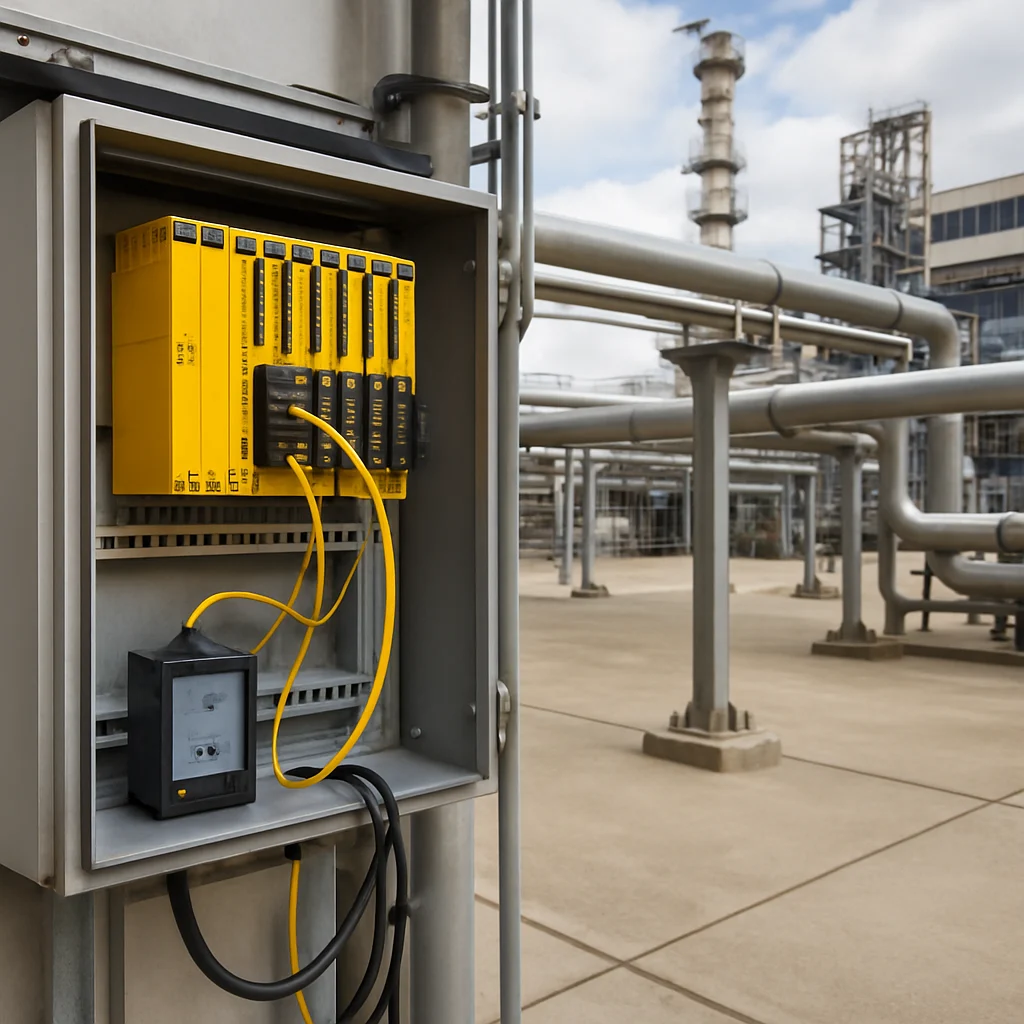
Industrial automation is rapidly transforming the landscape of manufacturing and infrastructure sectors across Europe. As companies strive for efficiency, productivity, and safety, the significance of Safety Programmable Logic Controllers (PLCs) and Safety Integrity Level (SIL) verification has become increasingly pronounced. This article delves deep into the emerging trends in this sector, identifying key market drivers, associated risks, and offering a strategic outlook for the next 12 to 24 months.
Understanding Safety PLCs and SIL Verification
Safety PLCs are specialized controllers designed to execute safety functions that protect human life and prevent damage to equipment. These systems operate in environments that require high reliability and availability, particularly in sectors like manufacturing, oil and gas, and construction. SIL verification, on the other hand, quantifies the safety integrity of control systems, ensuring that they can effectively reduce risk to as low as reasonably practicable.
According to the European Committee for Standardization (CEN), compliance with the IEC 61508 and IEC 61511 standards is essential in achieving the required safety levels. This regulatory framework not only drives technological advancements but also sets a benchmark for risk management in industrial applications.
Current Market Drivers
- Increasing Complexity of Industrial Systems: As industries adopt more complex automation technologies, the need for reliable safety measures becomes paramount.
- Regulatory Compliance: Stricter regulations concerning worker safety and environmental impact are pushing companies to invest in safety solutions.
- Technological Advancements: Innovations such as the Internet of Things (IoT), Artificial Intelligence (AI), and big data analytics are enhancing the capabilities of Safety PLCs, making them more efficient and effective.
- Global Pandemic Impact: The COVID-19 pandemic has highlighted the vulnerability of supply chains, leading to increased investments in automation for operational resilience.
Identifying Risks in the Market
While the potential for growth in the industrial automation sector is significant, several risks must be acknowledged:
- Cybersecurity Threats: As systems become more interconnected, the risk of cyber-attacks increases. Ensuring that Safety PLCs are protected against vulnerabilities is critical.
- Integration Challenges: The integration of new safety systems with existing infrastructures can be complex and costly.
- Skill Shortages: A lack of qualified professionals proficient in both automation technology and safety protocols can hinder the implementation of effective safety solutions.
- Economic Uncertainty: Fluctuations in the global economy may affect capital investments in automation technologies.
Market Outlook for the Next 12-24 Months
Over the next couple of years, the industrial automation sector in the EU is poised for significant evolution, influenced by several factors:
1. Growth in Demand for Safety PLCs
The demand for safety PLCs is expected to surge as industries prioritize safety and compliance. Companies will increasingly adopt these systems to mitigate risks associated with automation.
2. Enhanced Focus on SIL Verification
Organizations will recognize the importance of SIL verification as a critical factor in operational safety. Investments in technological solutions that facilitate SIL assessments will also increase.
3. Emphasis on Sustainability
With the EU's commitment to sustainability, there will be a push for automation solutions that reduce environmental impact while enhancing safety standards.
4. Technological Partnerships
Collaborations between technology providers and safety experts will foster the development of innovative safety solutions, making them more accessible to various industries.
Conclusion
The integration of Safety PLCs and SIL verification in industrial automation is not just about compliance; it is about fostering a culture of safety that enhances operational efficiency. As we look toward the future, the EU market is set to experience robust growth driven by technological advancements and regulatory frameworks. However, stakeholders must remain vigilant regarding emerging risks and invest strategically to leverage the full potential of industrial automation.