Revolutionizing Warehouse Operations: The Role of AGVs and AMRs in Industrial Automation
This in-depth Q&A explores how Automated Guided Vehicles (AGVs) and Autonomous Mobile Robots (AMRs) are transforming warehouse orchestration in the EU, detailing their benefits, challenges, and future trends.
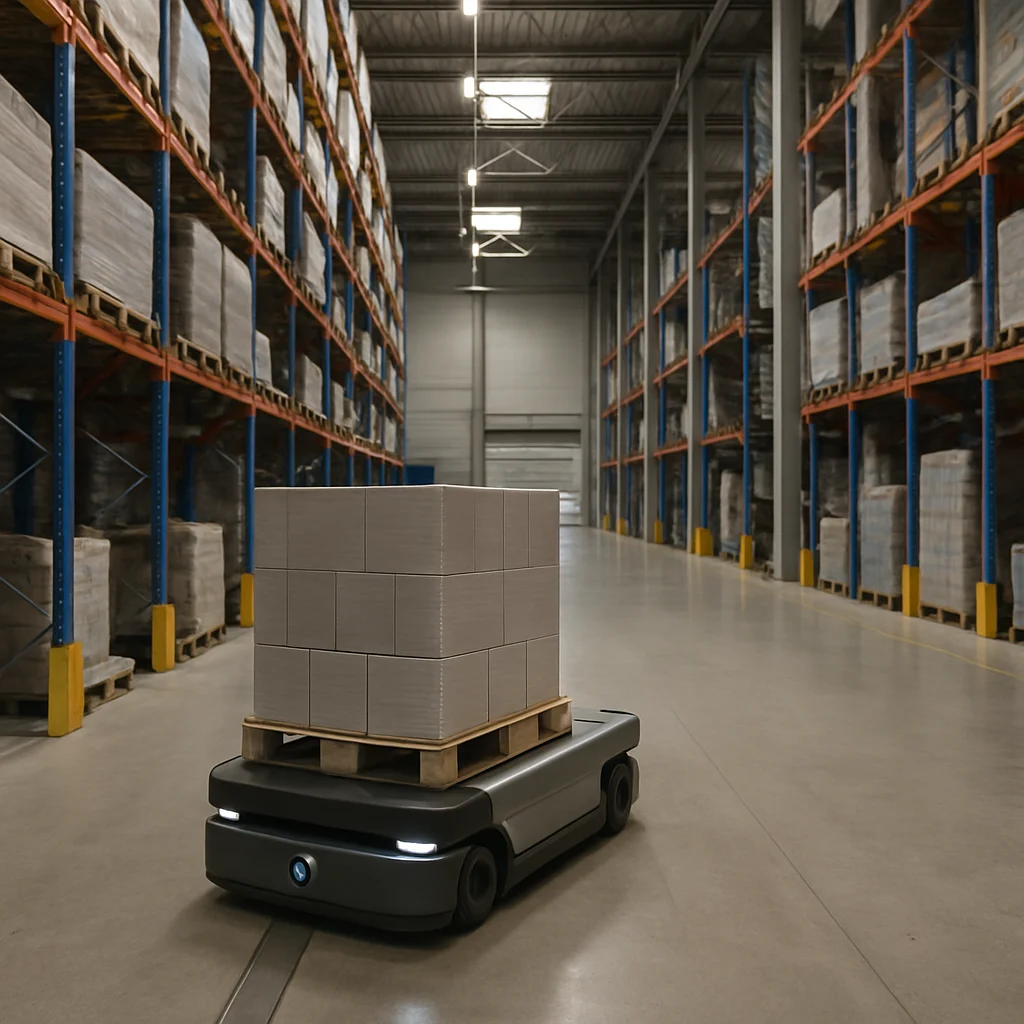
In the rapidly evolving landscape of industrial automation, the integration of Automated Guided Vehicles (AGVs) and Autonomous Mobile Robots (AMRs) is proving to be a game-changer for warehouse operations. To shed light on this transformative trend, we sat down with Dr. Lena Hartmann, a logistics automation expert with over 15 years of experience in the European market.
The Basics of AGVs and AMRs
Q: Dr. Hartmann, could you explain the difference between AGVs and AMRs?A: Certainly! AGVs are vehicles that follow fixed paths, usually guided by magnetic strips or wires. They perform repetitive tasks like transporting goods between pre-defined locations. In contrast, AMRs utilize advanced sensors, cameras, and artificial intelligence to navigate dynamically in changing environments. They can adapt their paths based on obstacles or changes in layout, making them more versatile and flexible for various tasks.
Benefits of Implementing AGVs and AMRs
Q: What are the key benefits of implementing AGVs and AMRs in warehouse orchestration?A: The benefits are numerous. Firstly, they significantly increase efficiency by speeding up operations and reducing human error. Secondly, they are cost-effective in the long run as they minimize labor costs and can operate 24/7 without fatigue. Thirdly, they enhance safety by taking over dangerous tasks and reducing workplace accidents. Lastly, they offer scalability—businesses can start small and expand their fleet as needed, particularly relevant for fluctuating demands in the EU market.
Challenges Faced in Adoption
Q: Are there challenges associated with integrating AGVs and AMRs into existing warehouse systems?A: Yes, there are several challenges. The initial investment can be high, and businesses must conduct thorough ROI analyses. There's also the need for infrastructural changes to accommodate these vehicles, such as establishing navigational paths and charging stations. Training staff to collaborate with these technologies is essential, along with addressing concerns regarding job displacement.
Implementation Strategies
Q: What strategies do you recommend for companies looking to adopt AGVs or AMRs?A: Companies should start with a comprehensive needs assessment to identify specific pain points in their operations. A phased approach is advisable—begin with pilot projects that allow for testing and refinement before a full-scale rollout. It’s crucial to ensure interoperability with existing systems and invest in employee training to facilitate a smooth transition.
Impact on Warehouse Layout
Q: How do AGVs and AMRs impact warehouse layout and design?A: The introduction of these technologies often leads to a redesign of warehouse layouts. Warehouses can shift from traditional aisle-based storage to more fluid designs that allow for dynamic picking paths. This optimizes space utilization and improves overall workflow efficiency. Many businesses are incorporating more vertical storage solutions to maximize space, which complements the agility of AMRs.
Future Trends in Warehouse Automation
Q: What future trends do you foresee in the realm of AGVs and AMRs?A: We’re seeing a trend toward increased collaboration between humans and robots, often referred to as cobots. The development of smarter AI systems will lead to more autonomous functions, enabling AGVs and AMRs to handle increasingly complex tasks. Additionally, sustainability will play a vital role; many companies are looking for electric models that reduce their carbon footprint and align with EU environmental regulations.
Conclusion
As Dr. Hartmann emphasized, the integration of AGVs and AMRs in warehouse orchestration represents a significant leap towards optimizing operations in the EU. While challenges exist, the benefits—ranging from enhanced efficiency and safety to cost savings—strongly advocate for their adoption. Moving forward, companies that embrace these technologies will likely maintain a competitive edge in the evolving logistics landscape.