AI-Driven Simulation Transforming Automotive Design in 2025
In recent years, the automotive industry has witnessed a remarkable transformation driven by technological advancements. Among these, AI-enabled simulation technologies have emerged as a game-chan
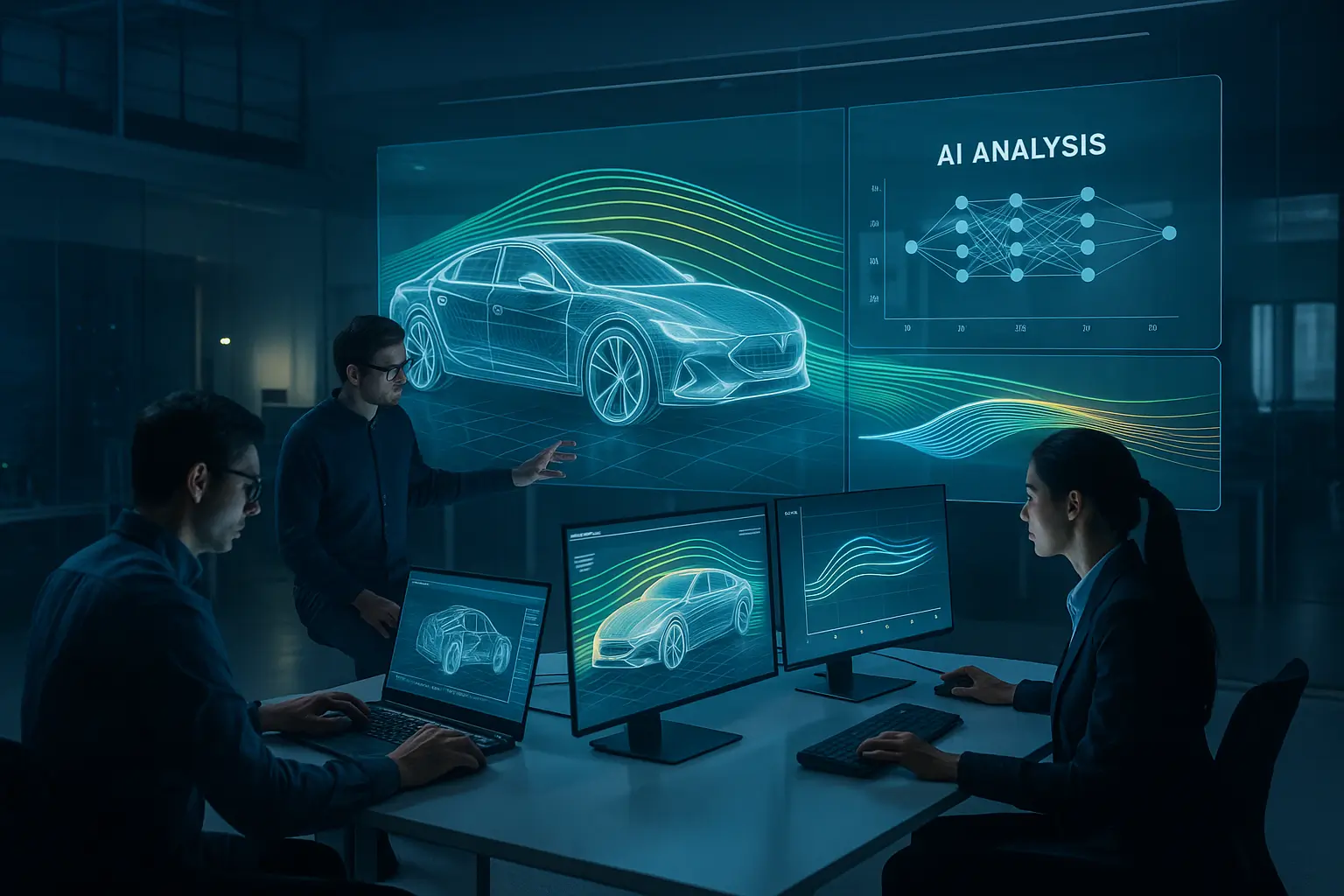
In recent years, the automotive industry has witnessed a remarkable transformation driven by technological advancements. Among these, AI-enabled simulation technologies have emerged as a game-changer, offering unprecedented insights and efficiencies in the design process. As a professional deeply involved in this field, I have observed firsthand how these technologies are reshaping the landscape of automotive design.
AI-enabled simulation technologies leverage artificial intelligence to create highly accurate models and simulations of automotive designs. These tools allow designers and engineers to test various aspects of a vehicle's performance, safety, and aesthetics in a virtual environment before physical prototypes are built. This not only reduces costs but also accelerates the design cycle, enabling faster time-to-market.
In this article, I will delve into the evolution of automotive design, explore the intricacies of AI in simulation technologies, and highlight the transformative benefits they bring to the industry. We will also examine real-world case studies, address the challenges faced in integrating these technologies, and look ahead to the future trends that will shape automotive design.
The Evolution of Automotive Design: A Brief Overview
Automotive design has come a long way since the early 20th century when cars were designed purely for function. Initially, the focus was on creating vehicles that could transport people and goods efficiently. However, as consumer preferences evolved, aesthetics and comfort became significant considerations, leading to an era of design innovation.
In the 1950s and 60s, the automotive industry experienced a design revolution with the introduction of sleek lines and stylish features. Vehicles were no longer just modes of transport but symbols of status and personal taste. This period marked the beginning of the integration of technology in design, although it was rudimentary compared to today's standards.
The introduction of computer-aided design (CAD) in the 1980s marked a significant shift in automotive design. CAD allowed for more precise and complex designs, reducing the reliance on physical models. Fast forward to the present day, AI-enabled simulation technologies have taken this evolution further, offering designers and engineers tools that provide unparalleled accuracy and insight into every aspect of automotive design.
Understanding AI in Simulation Technologies
AI in simulation technologies refers to the application of artificial intelligence techniques to enhance the design and testing of vehicles. This involves machine learning, neural networks, and data analytics to simulate real-world scenarios and predict how a vehicle will perform under various conditions.
One of the significant advantages of AI in simulation is its ability to process vast amounts of data quickly and accurately. This allows for the creation of detailed simulations that account for numerous variables, such as aerodynamics, crash scenarios, and material durability. By harnessing AI, designers can identify potential issues and make informed decisions early in the design phase.
Moreover, AI-driven simulations enable iterative testing and refinement of designs. Instead of relying on physical prototypes, designers can run multiple simulations to optimize vehicle performance and safety. This reduces the time and cost associated with traditional design methods, paving the way for more innovative and efficient automotive solutions.
Key Benefits of AI-Enabled Simulation in Automotive Design
AI-enabled simulation technologies offer several key benefits that have transformed automotive design processes. Firstly, these technologies significantly enhance design accuracy. By utilizing AI, simulations can predict real-world outcomes with high precision, leading to designs that are both innovative and reliable.
Secondly, the efficiency of the design process is greatly improved. AI simulations allow for rapid testing and iteration, reducing the time required to bring a new design from concept to production. This acceleration not only saves resources but also allows manufacturers to respond quickly to market demands and emerging trends.
Another critical benefit is the reduction in physical prototyping. Traditional automotive design relied heavily on building physical models, which is both time-consuming and costly. With AI simulations, many aspects of design can be tested virtually, minimizing the need for physical prototypes and thus reducing waste and expense.
How AI Simulation Technologies Enhance Design Accuracy and Efficiency
The precision of AI simulation technologies is unmatched in the field of automotive design. These tools allow designers to test various parameters, such as aerodynamics and structural integrity, with incredible accuracy. By simulating different conditions and scenarios, designers can fine-tune every aspect of a vehicle's performance before it goes into production.
Efficiency is another area where AI simulation excels. Traditional design processes often involve lengthy trial-and-error phases, but AI simulations enable rapid iteration. Designers can quickly test and modify designs based on simulation feedback, significantly reducing the time required to finalize a design.
Additionally, AI-driven simulations facilitate collaboration among design teams. By providing a virtual platform for testing and refinement, team members from different disciplines can work together seamlessly, ensuring that all aspects of a vehicle's design are optimized. This collaborative approach not only enhances design quality but also fosters innovation.
Case Studies: Successful Implementations of AI in Automotive Design
Several leading automotive manufacturers have successfully implemented AI-enabled simulation technologies to revolutionize their design processes. One notable example is Tesla, which uses AI simulations to optimize the aerodynamic performance of its electric vehicles. By simulating airflow and drag, Tesla can design more efficient and environmentally friendly cars.
BMW is another pioneer in this field, utilizing AI simulations to enhance the safety features of its vehicles. By simulating crash scenarios, BMW can identify potential weaknesses and improve the structural integrity of its cars, ensuring maximum protection for drivers and passengers.
These case studies demonstrate the tangible benefits of AI-enabled simulation technologies in automotive design. By leveraging AI, manufacturers can produce vehicles that are not only aesthetically pleasing but also highly efficient and safe, meeting the demands of today's discerning consumers.
Challenges in Integrating AI Simulation Technologies
While the benefits of AI-enabled simulation technologies are clear, integrating these tools into existing design processes is not without challenges. One significant hurdle is the complexity of AI algorithms, which require specialized knowledge and expertise to implement effectively. This necessitates ongoing training and development for design teams.
Another challenge is the integration of AI simulations with existing design tools and software. Many automotive companies have legacy systems that may not be compatible with new AI technologies, requiring significant investment to upgrade or replace outdated infrastructure.
Finally, there is the issue of data security and privacy. As AI simulations rely on vast amounts of data, ensuring the protection of sensitive information is paramount. Automotive companies must implement robust security measures to safeguard their data and maintain consumer trust.
The Future of Automotive Design: Trends and Innovations
Looking ahead, the future of automotive design will be shaped by several key trends and innovations. One of the most exciting developments is the integration of AI with other emerging technologies, such as the Internet of Things (IoT) and augmented reality (AR), to create even more immersive and interactive design experiences.
Additionally, the rise of autonomous vehicles presents new opportunities and challenges for automotive design. AI simulations will play a crucial role in developing the complex algorithms required for self-driving cars, ensuring that they are safe, reliable, and efficient.
Sustainability will also be a significant focus for future automotive design. AI-enabled simulations can help manufacturers develop environmentally friendly vehicles by optimizing energy efficiency and reducing emissions. This aligns with the growing demand for sustainable transportation solutions.
Recommended Tools and Software for AI-Enabled Simulation
For automotive companies looking to adopt AI-enabled simulation technologies, several tools and software solutions are available. Some of the leading options include:
-
Ansys: Known for its comprehensive simulation capabilities, Ansys offers a range of tools for automotive design, including structural analysis, fluid dynamics, and electromagnetic simulations.
-
SimScale: This cloud-based simulation platform provides access to powerful simulation tools without the need for expensive hardware. It's ideal for small to medium-sized companies looking to leverage AI-driven simulations.
-
Altair HyperWorks: A popular choice for automotive design, Altair HyperWorks offers advanced modeling and simulation tools that integrate seamlessly with existing design workflows.
By investing in these tools, automotive companies can harness the power of AI to enhance their design processes and stay competitive in an ever-evolving industry.
Conclusion: The Impact of AI on the Future of Automotive Design
In conclusion, AI-enabled simulation technologies are revolutionizing automotive design by offering unprecedented accuracy, efficiency, and innovation. These tools enable designers and engineers to create vehicles that are not only visually appealing but also safe, efficient, and environmentally friendly.
As the automotive industry continues to embrace digital transformation, AI simulations will play an increasingly vital role in shaping the future of vehicle design. By staying informed about the latest trends and investing in the right tools and technologies, companies can position themselves at the forefront of this exciting evolution.
If you're an automotive professional looking to explore the potential of AI-enabled simulation technologies, now is the perfect time to take action. Embrace the future of automotive design and elevate your projects to new heights.