Modern Homes Need Durable and Stylish Flooring. Granite Floor Tiles Check Both of Those Boxes
It shapes the atmosphere of a room, influences how light moves through the space and contributes to the overall character of a home.
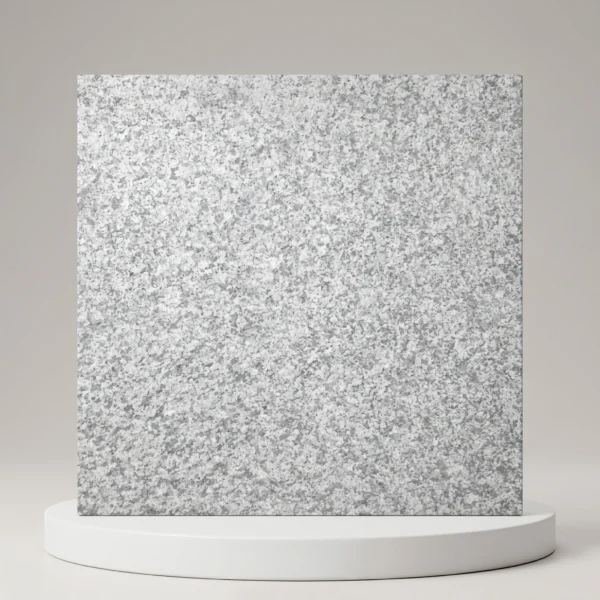
A floor does more than support everyday life. It shapes the atmosphere of a room, influences how light moves through the space and contributes to the overall character of a home. Choosing the right flooring can transform an ordinary room into a welcoming, practical and visually appealing space.
Natural stone has remained popular in interior design because of its distinctive appearance and lasting appeal. Among the available options, granite stands out for its natural mineral patterns, strength and variety of colours. Each piece has its own character, allowing homeowners to create interiors that feel unique rather than mass-produced.
Formed when molten rock cools slowly beneath the Earth's surface, granite develops a dense crystalline structure that contributes to its durability. It is available in shades ranging from soft grey and cream to deep black, with natural speckles and mineral variations that complement different design styles.
For homeowners planning a renovation, Granite Floor Tiles offer an appealing combination of natural beauty and everyday practicality. When selected and installed correctly, they can suit living rooms, kitchens, hallways and selected commercial interiors while adding texture and character to the overall design.
What Makes Granite a Popular Flooring Material?
One of granite's main advantages is its hardness, which makes it suitable for areas that experience regular foot traffic. It can handle everyday use when the correct product, installation method and maintenance routine are chosen. Its natural appearance also works across a range of styles, from contemporary homes with clean lines to traditional interiors featuring warm timber finishes.
Another advantage is its variety. Some granite varieties feature subtle, consistent speckling, while others have stronger contrasts that become a focal point in the room. This flexibility makes it easier to coordinate flooring with cabinetry, furniture, wall colours and decorative features.
Choosing the Right Colour and Finish
The colour and finish of a stone floor can change the entire feel of a space. Lighter granite shades can help a room feel open and bright, particularly when paired with neutral walls and natural lighting. Darker granite can introduce contrast and create a bold, sophisticated appearance.
Finish is equally important. A polished surface has a smooth appearance and reflects light, making it popular for formal interiors. A honed finish offers a more understated, matte look, while textured finishes add visual depth and may be appropriate for certain areas where additional grip is required.
Consider how the room will be used before making a decision. A finish that looks striking in a showroom may perform differently in a space exposed to moisture. Always check the product's slip performance, cleaning requirements and suitability for the intended application.
Where Granite Flooring Works Best
Living Rooms and Open-Plan Areas
Granite can provide a strong visual foundation for furniture, rugs and decorative elements. Neutral shades complement minimalist interiors, while darker stone can create contrast against lighter walls. Selecting a finish that suits the lighting can help maintain a balanced appearance throughout the space.
Kitchens and Dining Areas
Kitchens experience frequent movement, food spills and regular cleaning. Granite's hardness makes it a practical option, although spills should still be cleaned promptly and the stone maintained according to the supplier's recommendations. Choosing a colour that complements benchtops and cabinetry can create a cohesive design.
Hallways and Entryways
Entryways often experience considerable foot traffic, along with dirt and grit brought in from outside. Granite can be a suitable option when correctly installed and maintained. Placing mats near entrances can help reduce abrasive particles that might scratch or dull the surface over time.
Commercial Interiors
In offices, reception areas and selected retail environments, granite can create a professional appearance alongside durability. The specific stone, finish, installation system and expected traffic should be assessed before choosing a product for a commercial project.
What to Consider Before Buying Granite Flooring
Before purchasing, look beyond colour and price to understand how the material will perform in your particular space. Granite is a natural product, so variations in shade, mineral distribution and pattern are normal. Viewing several samples can help you determine whether the variation suits your design.
Keep these factors in mind:
-
Durability: Confirm that the product suits the expected foot traffic and intended application.
-
Surface finish: Compare polished, honed and textured options based on appearance, cleaning requirements and slip performance.
-
Tile dimensions: Larger tiles can create a more continuous appearance, while smaller formats may suit detailed layouts.
-
Colour variation: Review several pieces or batches where possible, as natural stone can vary from tile to tile.
-
Installation requirements: Confirm the appropriate substrate, adhesive, joint spacing and installation method with a qualified installer.
-
Maintenance: Ask whether sealing is recommended and which cleaning products are suitable for the specific granite.
Taking time to assess these details can help prevent mismatched expectations and make the finished floor easier to maintain.
Cleaning and Maintaining Granite Flooring
Although granite is generally durable, it still benefits from regular care. Dust, sand and grit can act as abrasives under shoes, so sweeping or vacuuming with a suitable hard-floor attachment helps protect the surface.
For routine cleaning, use a pH-neutral cleaner recommended for natural stone and a soft mop. Avoid harsh chemicals or acidic cleaners unless the supplier confirms they are suitable for the product. Some granite may benefit from sealing, depending on its characteristics, finish and exposure.
Wipe up spills promptly, especially oils and strongly coloured liquids. Furniture pads can also help minimise scratches when chairs or tables are moved across the floor. A consistent cleaning routine and suitable products can help preserve the stone's appearance over time.
Bringing Granite into Your Interior Design
Granite works particularly well when it complements the other materials in a room. Grey and black varieties can pair with glass, metal and contemporary cabinetry, while warmer shades can balance timber furniture and earthy colour palettes.
Lighting also plays an important role. Polished granite may reflect more light, whereas honed and textured finishes create a softer effect. If you're renovating an entire home, consider how the flooring connects adjoining rooms rather than selecting each material in isolation.
Because natural stone is visually distinctive, balanced wall colours, furniture and decorative accessories can allow the granite's patterns to stand out without making the room feel overly busy.
Final Thoughts
Granite offers a compelling combination of natural character, strength and design flexibility. Its range of colours, mineral patterns and surface finishes can complement many types of interiors while providing a practical flooring solution for everyday use.
The best results come from selecting the right stone for the space, understanding its maintenance requirements and ensuring it is installed correctly. By comparing samples, checking product specifications and seeking advice from a knowledgeable supplier, homeowners can choose granite flooring that suits both their design preferences and practical needs.
Whether you're updating a kitchen, refreshing a living room or planning a larger renovation, thoughtful flooring selection can help create a space that remains attractive and functional for years to come.