Harnessing Geothermal Energy for Sustainable Living in the EU: A Case Study
This article examines a real-life case study of geothermal energy implementation in a residential complex in Europe, highlighting benefits, challenges, and strategies for effective integration.
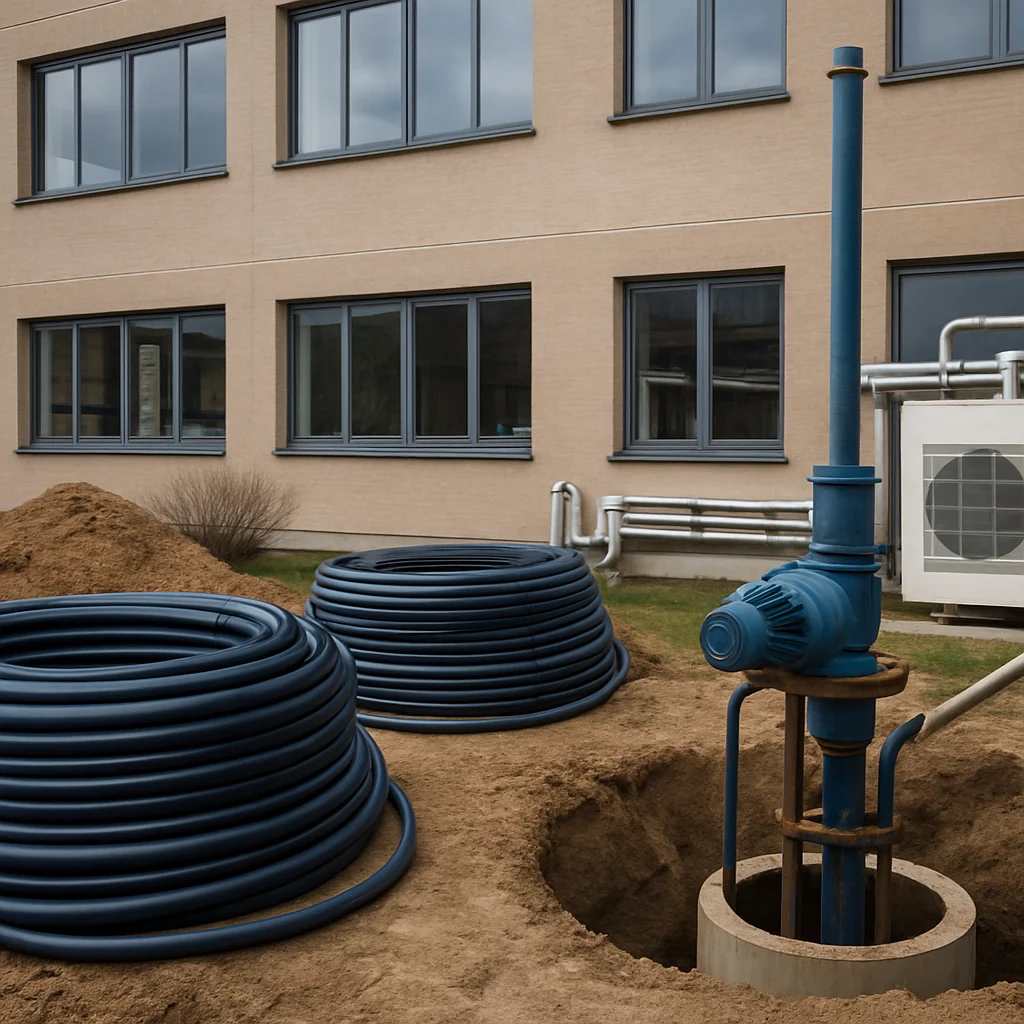
As the world increasingly focuses on sustainable living, geothermal energy has emerged as a promising solution, particularly in the European context. This article explores a detailed case study of a residential complex designed with both shallow and deep geothermal energy systems, addressing its implementation, challenges, and the lessons learned throughout the process.
Context: The Need for Sustainable Energy Solutions
Europe is at the forefront of the renewable energy movement, with various nations committing to achieving net-zero carbon emissions by 2050. A significant aspect of this strategy involves utilizing geothermal energy, a resource that exploits the Earth’s natural heat. This case study is centered around a residential complex in Germany, built in 2022, which serves as a model for integrating geothermal energy into residential living.
Project Constraints
- Geological considerations: The site required a geological survey to determine the feasibility of deep geothermal systems.
- Budget constraints: With limited funding, the project needed to balance initial costs against long-term savings from energy efficiency.
- Regulatory compliance: The project had to meet stringent EU regulations on energy efficiency and sustainability.
Solution: Integrating Shallow and Deep Geothermal Options
The architectural and engineering teams decided on a dual approach, combining shallow and deep geothermal systems to maximize energy efficiency. The implementation process involved several key steps:
Step 1: Site Assessment
A comprehensive site assessment was conducted, including geological surveys and soil tests to evaluate the thermal conductivity of the ground. This was essential for determining the depth and type of geothermal systems suitable for the project.
Step 2: System Design
The project integrated:
- Shallow geothermal systems: Ground-source heat pumps (GSHPs) were installed, drawing heat from the upper layers of the earth.
- Deep geothermal systems: Borehole heat exchangers were implemented, tapping into deeper geothermal resources.
Step 3: Installation
The installation of the geothermal systems required specialized contractors and robust project management to coordinate the drilling and installation processes. Improved communication with stakeholders was critical to mitigate disruptions during construction.
Step 4: Performance Monitoring
After installation, a performance monitoring system was put in place to evaluate energy savings and system efficiency. This step is crucial for understanding the long-term benefits of the geothermal systems.
Results and Benefits
The implementation of geothermal energy in the residential complex yielded significant benefits:
- Energy Savings: The complex reduced its dependency on fossil fuels, leading to a 50% decrease in heating costs compared to traditional systems.
- Environmental Impact: The project successfully lowered the carbon footprint by utilizing renewable energy sources.
- Increased Property Value: Homes equipped with geothermal systems have reported an increase in marketability due to the growing demand for energy-efficient living spaces.
Challenges Faced
Despite the successes, the project encountered several challenges:
- Geological Variability: Variations in ground conditions led to unexpected costs during drilling, requiring contingency funding.
- Stakeholder Engagement: Some community members were initially skeptical about the technology, necessitating educational workshops.
- Maintenance Considerations: Regular maintenance is crucial for geothermal systems to function optimally, which can be overlooked without proper awareness.
Lessons Learned
This case study offers several key takeaways:
- Thorough Pre-Project Assessment: Investing time in geological and site assessments can save costs and time in the long run.
- Education and Engagement: Engaging the community early in the project can mitigate concerns and foster a sense of ownership.
- Integrated Planning: A comprehensive energy management plan that includes monitoring and maintenance is vital for maximizing the benefits of geothermal systems.
Conclusion
As evident from this case study, geothermal energy offers a viable and sustainable solution for residential living in the EU. By integrating both shallow and deep geothermal systems, the project achieved significant energy savings while contributing positively to the environment. As the demand for sustainable housing continues to rise, learning from such pioneering projects will be crucial for architects, engineers, and builders aiming to meet the challenges of modern living.