Maximizing Construction Logistics with Digital Twins: A Practical Guide
Unlock the potential of digital twins in construction logistics with this comprehensive step-by-step guide designed for architects, engineers, builders, and real estate professionals.
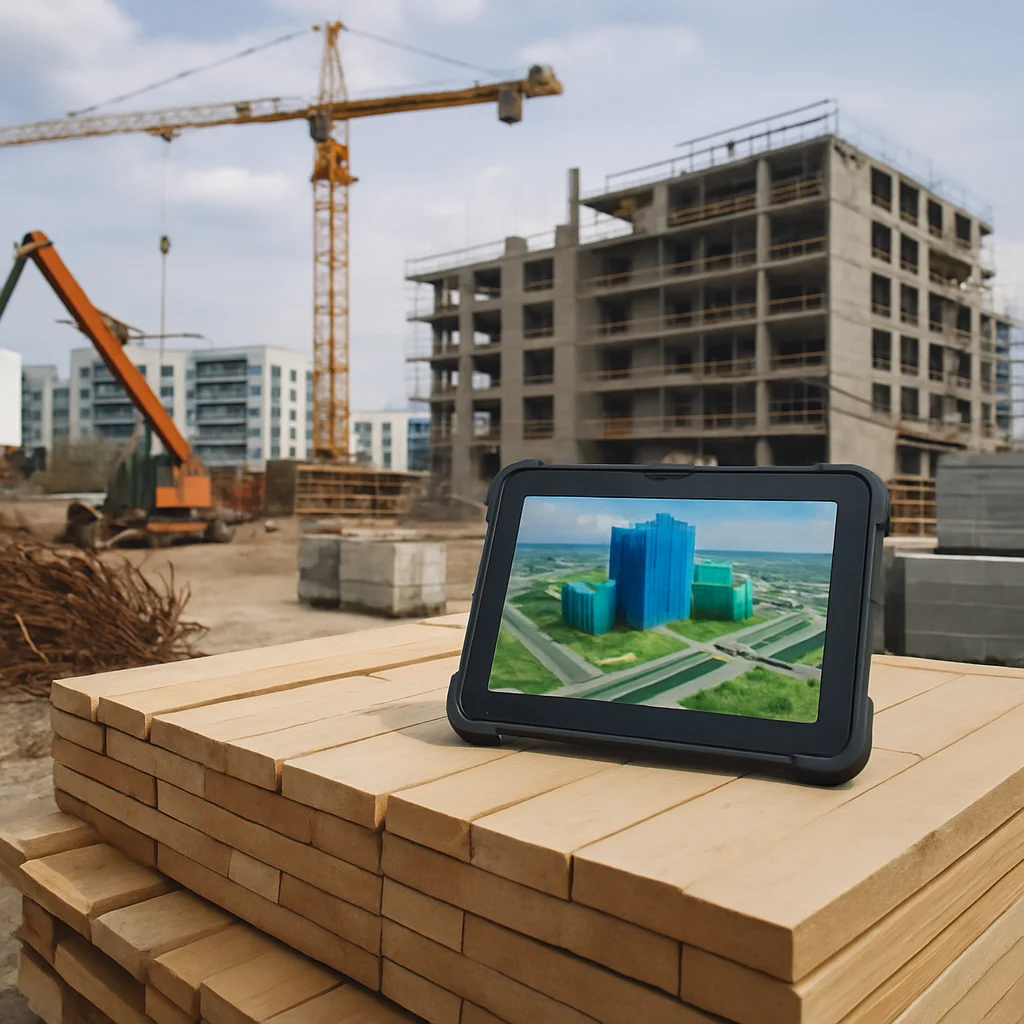
In today's fast-paced construction industry, efficiency and precision are paramount. With the advent of digital twins technology, professionals in architecture, engineering, and real estate now have powerful tools to enhance project logistics and streamline operations. This guide provides a step-by-step approach to implementing digital twins in construction logistics, ensuring that your projects are executed with the utmost accuracy and efficiency.
1. Understanding Digital Twins
Digital twins are sophisticated digital replicas of physical assets, processes, or systems. In construction, this means creating a virtual model that reflects the real-world dynamics of a building or infrastructure. By leveraging real-time data and advanced analytics, digital twins allow professionals to visualize complex logistics workflows.
2. The Importance of Digital Twins in Construction Logistics
- Improved Planning: Digital twins facilitate better planning by simulating construction processes, helping teams foresee potential issues before they arise.
- Enhanced Collaboration: These models serve as a central communication tool, allowing architects, engineers, and contractors to collaborate more effectively.
- Resource Optimization: By analyzing data in real time, teams can optimize resource allocation, minimizing waste and reducing costs.
- Risk Mitigation: Digital twins enable better identification and management of risks, leading to safer construction environments.
3. Step-by-Step Guide to Implementing Digital Twins in Your Projects
Follow these practical steps to successfully integrate digital twins into your construction logistics workflow:
Step 1: Define Your Objectives
Start by identifying the specific goals you want to achieve with digital twins. Consider the following:
- What aspects of logistics need improvement?
- Are you focusing on cost reduction, time efficiency, quality enhancement, or all of these?
- Define your key performance indicators (KPIs) for evaluation.
Step 2: Invest in the Right Technology
Choose a digital twin technology that fits your project needs. Look for solutions that offer:
- High-quality 3D modeling capabilities
- Real-time data integration
- User-friendly interfaces
Step 3: Create Accurate Digital Models
Develop accurate digital representations of your construction site. This involves:
- Utilizing 3D scanning technologies
- Incorporating data from Building Information Modeling (BIM)
- Regularly updating models to reflect real-time changes on site
Step 4: Integrate Real-Time Data
Connect your digital twin to IoT devices, sensors, and other data sources to gather real-time information. This integration enables:
- Real-time tracking of resources
- Immediate identification of problems and discrepancies
- Informed decision-making based on accurate data
Step 5: Train Your Team
Ensure your team is well-equipped to work with digital twins by providing comprehensive training. This includes:
- Workshops on software tools
- Hands-on experience with the digital models
- Ongoing support to resolve issues as they arise
Step 6: Monitor and Optimize
After implementation, continuously monitor performance against your defined objectives. Use the insights gained to optimize logistics processes. Regularly:
- Review KPIs
- Adjust models based on site conditions
- Analyze data trends for future projects
4. Checklist for Successful Integration
- Define project objectives and KPIs
- Select appropriate digital twin technology
- Create accurate digital models
- Integrate real-time data sources
- Train your team effectively
- Establish a monitoring and optimization process
5. Conclusion
Implementing digital twins in construction logistics is not just a technological trend; it’s a strategic advantage that can redefine project management in the construction industry. By following this guide, architects, engineers, builders, and real estate professionals can harness the potential of digital twins to achieve greater efficiency, reduce costs, and enhance collaboration across projects worldwide. Embrace this innovative approach and position your team at the forefront of the construction revolution.