How Scrap Metal Recycling Near Me Made Recycling Old Copper Cables Surprisingly Easy
After moving a few old shelves, I ended up finding stacks of copper wire left from an electrical job, like years ago, aluminium window frames, rusty brackets, bits of stainless ste
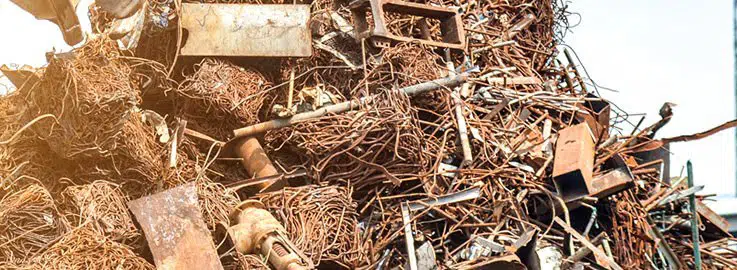
The original plan was simple. Clean the garage, keep what I still needed, and throw everything else away. Easy... or at least that's what I thought. After moving a few old shelves, I ended up finding stacks of copper wire left from an electrical job, like years ago, aluminium window frames, rusty brackets, bits of stainless steel and even this old water pump that hadn’t worked in forever.
For a minute I actually thought about hiring a skip bin. Then I kinda searched scrap metal recycling near me, just to see if recycling was worth the trouble, or if it was all kinda overhyped.
That little search, weirdly enough completely changed my plans.
Why I Ended up Recycling instead of just Throwing Everything Away
The funny thing is, most of the metal didn’t even look that valuable. It was dusty and scratched, and some pieces had been sitting there for years, without anyone touching them.
But once I read a bit about copper recycling in Australia, I realised looks really don’t matter that much. Metals like copper , brass, aluminium and stainless steel can often be recycled again and again, and then used in manufacturing rather than sent off and forgotten.
That idea stayed with me.
Instead of becoming landfill, those materials could actually become part of something new.
A few reasons made the decision easier:
- Recover valuable copper and other non-ferrous metals.
- Support responsible scrap metal recycling services.
- Reduce unnecessary landfill waste.
- Encourage sustainable recycling solutions.
- Help valuable resources stay in circulation.
It wasn't really about making money anymore. That became more of a bonus.
The Recycling Yard Felt Different Than I Expected
The next morning I drove everything to the recycling yard.
I thought it would be one of those noisy chaotic spots with bits and pieces of random metal kinda just stacked everywhere . But no, it really wasnt like that at all.
There was plenty going on , sure. Trucks rolled in every few minutes, forklifts were shifting heavy loads across the yard, and the workers kept moving with this calm confidence between the different storage zones. Even with so much motion happening, somehow it all felt controlled , like it had a rhythm, not just a mess.
One employee asked what materials I had brought , before showing me to the weighing area.
Copper stayed in one section.
Aluminium went somewhere else.
Steel was handled separately.
Watching that process made me realise how important proper metal collection and processing really is. It isn't just throwing old metal into one giant pile like I'd always assumed.
Actual Benefits I Noticed Afterwards
Driving home, I realised the clean garage wasn't actually the best part.
The experience changed how I think about old metal altogether.
Now, whenever I see leftover building materials or damaged appliances, I automatically wonder whether they can be recycled first.
Looking back, these were probably the biggest benefits:
- More usable storage space at home.
- Better understanding of copper scrap buyers and material grading.
- Less waste going to landfill.
- Greater appreciation for non-ferrous metal recycling.
- Confidence that useful materials would be reused.
It's strange how one simple job can change a habit you've had for years.
Why Choosing the Right Recycling Company Matters
Before visiting, I assumed every recycling yard worked the same way.
Apparently they don't.
The place I visited explained everything clearly without making it sound overly technical. They answered questions, sorted materials carefully and treated every customer exactly the same, whether someone arrived with one trailer or a large commercial load.
That made the experience feel far more professional than I expected.
I also noticed they focused heavily on accurate weighing and proper separation of recyclable metals, which probably explains why efficient recycling starts long before materials reach manufacturing facilities.
One Small Detail I Still Remember
This might sound odd, but one thing stayed in my mind.
There was a worker picking small pieces of copper out of a mixed container by hand before they went for processing. It wasn't a huge job compared with unloading trucks, yet nobody ignored it.
That attention to detail said a lot.
While i was waiting i also caught sight of a truck from Melbourne Copper Scraps rolling in, with another load of recyclable material. it just slid into the normal routine, but it still reminded me that a lot of businesses end up working together, to keep recyclable metals moving across Australia’s recycling network.
Final Thoughts: A Simple Search That Changed My Perspective
To be honest, looking up scrap metal recycling near me was mostly about clearing out clutter from my garage.
It turned out to do way more than that.
I walked away with a cleaner workspace, a sharper sense of how professional recycling works, and a totally different way of viewing materials i used to call useless.
Now, before i toss old copper wiring, aluminium frames, brass fittings, or worn machinery parts, i pause for a second. Most of that stuff still has a future.
That one search for scrap metal recycling near me showed me recycling isn’t just disposal. it’s a way of giving valuable resources another chance while helping the environment, and backing a more sustainable future.
Melbourne Copper
Melbourne Copper are the leading scrap metal dealers in Melbourne offering best price for scrap metal in the industry.
View Profile & Articles