Enhancing Tenant Engagement in Smart Buildings through Open API Apps: A Case Study
This case study highlights the implementation of tenant engagement applications with open APIs in smart buildings across the EU, focusing on benefits, challenges, and key outcomes.
Introduction
The evolution of smart building technology has significantly reshaped the landscape of commercial real estate. One of the cornerstones of this transformation is the integration of tenant engagement applications powered by open APIs. These applications not only foster a more interactive experience for occupants but also streamline communication and enhance operational efficiency for building managers. This case study delves into a specific European project that embodies these advancements, highlighting the context, constraints, solutions, and lessons learned.
Context: Smart Building Project Overview
In 2021, a prominent real estate firm in Germany initiated the development of a cutting-edge smart building in Berlin's tech district. The project aimed to attract tech-savvy tenants seeking modern amenities and enhanced environmental sustainability. Key objectives included:
- Implementing a user-friendly tenant engagement application.
- Utilizing open APIs to ensure interoperability with existing building management systems.
- Fostering a community atmosphere among tenants through digital platforms.
Constraints: Challenges Faced
Despite the ambitious goals, the project faced several challenges:
- Integration Issues: Existing building management systems varied greatly in technology, making seamless integration a daunting task.
- Data Privacy Concerns: Ensuring tenant data security and compliance with GDPR regulations was paramount.
- Adoption Resistance: Some potential tenants were reluctant to engage with new technology and preferred traditional methods of communication.
Solution: Implementation of Open API Tenant Engagement App
To address these challenges, the project team opted to develop a custom tenant engagement application that utilized open APIs to connect various building systems. The solution included:
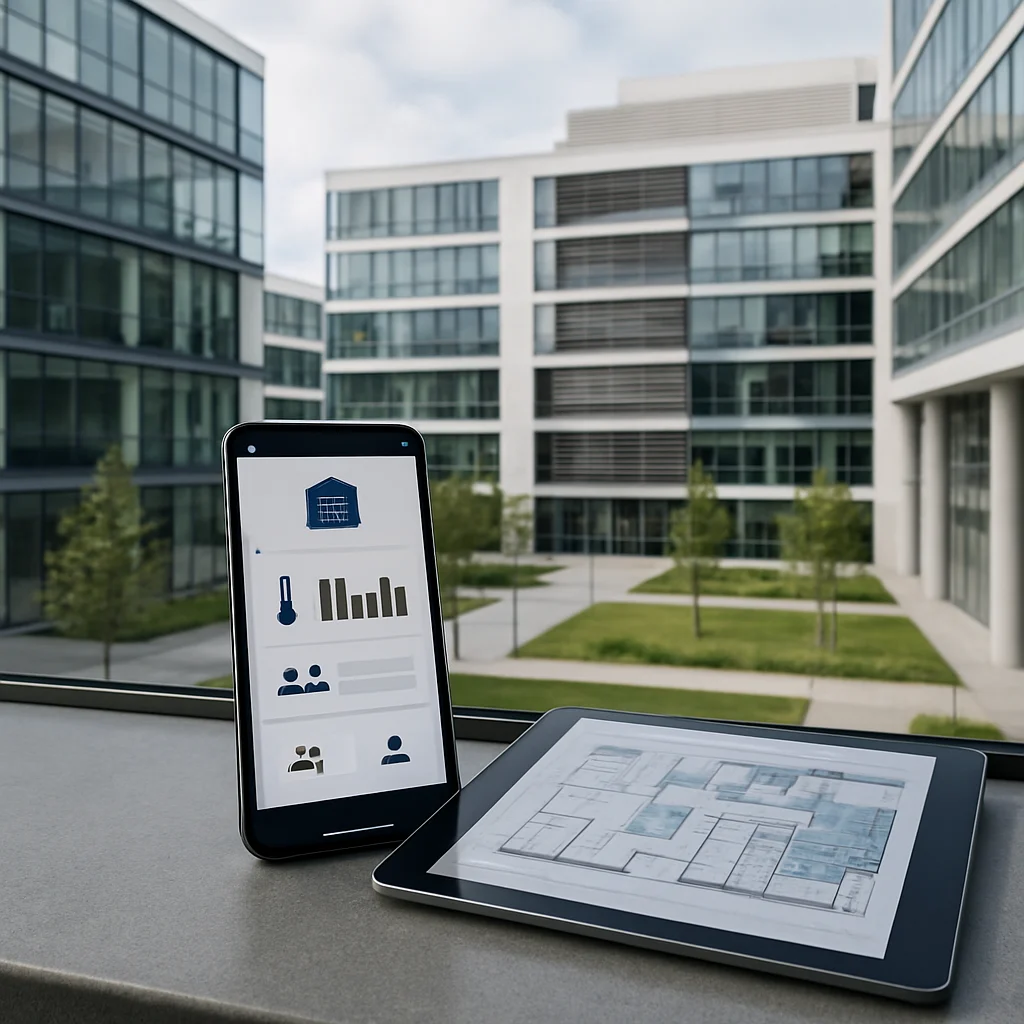
- Centralized Communication: A mobile app was created to serve as a one-stop platform for tenant communication, maintenance requests, and building notices.
- Integration with Smart Systems: The app was designed to interact with HVAC, lighting, and security systems for improved energy efficiency and security management.
- Community Features: A forum and event calendar were included to promote interaction and community-building among tenants.
This approach not only enhanced user experience but also allowed for real-time feedback, enabling property managers to respond to tenant needs proactively.
Lessons Learned: Key Outcomes
The implementation of the tenant engagement app yielded several important outcomes:
- Improved Tenant Satisfaction: Post-implementation surveys indicated a 30% increase in tenant satisfaction, largely attributed to enhanced communication and service responsiveness.
- Operational Efficiency: Building management reported a 25% reduction in response time to maintenance requests, thanks to the app’s streamlined reporting features.
- Community Building: Events organized through the app saw high participation rates, fostering a sense of belonging and collaboration among tenants.
- Data Utilization: Through the app, data analytics provided actionable insights into tenant preferences and building performance, guiding future improvements.
Conclusion
The case study reflects the transformative potential of tenant engagement applications with open APIs in smart buildings. By addressing integration challenges and focusing on user experience, the project not only enhanced tenant satisfaction but also optimized building operations. As the market continues to evolve, real estate professionals, architects, and engineers can draw valuable insights from this example to guide their own smart building initiatives in the EU and beyond.