Innovations in Smart Building Technology: Advanced Water Leakage Detection at Fixture Level
This article explores the latest advancements in smart building technology, focusing on water leakage detection systems at the fixture level. Discover how these innovations enhance building management and reduce risks for engineers and real estate professionals in the EU.
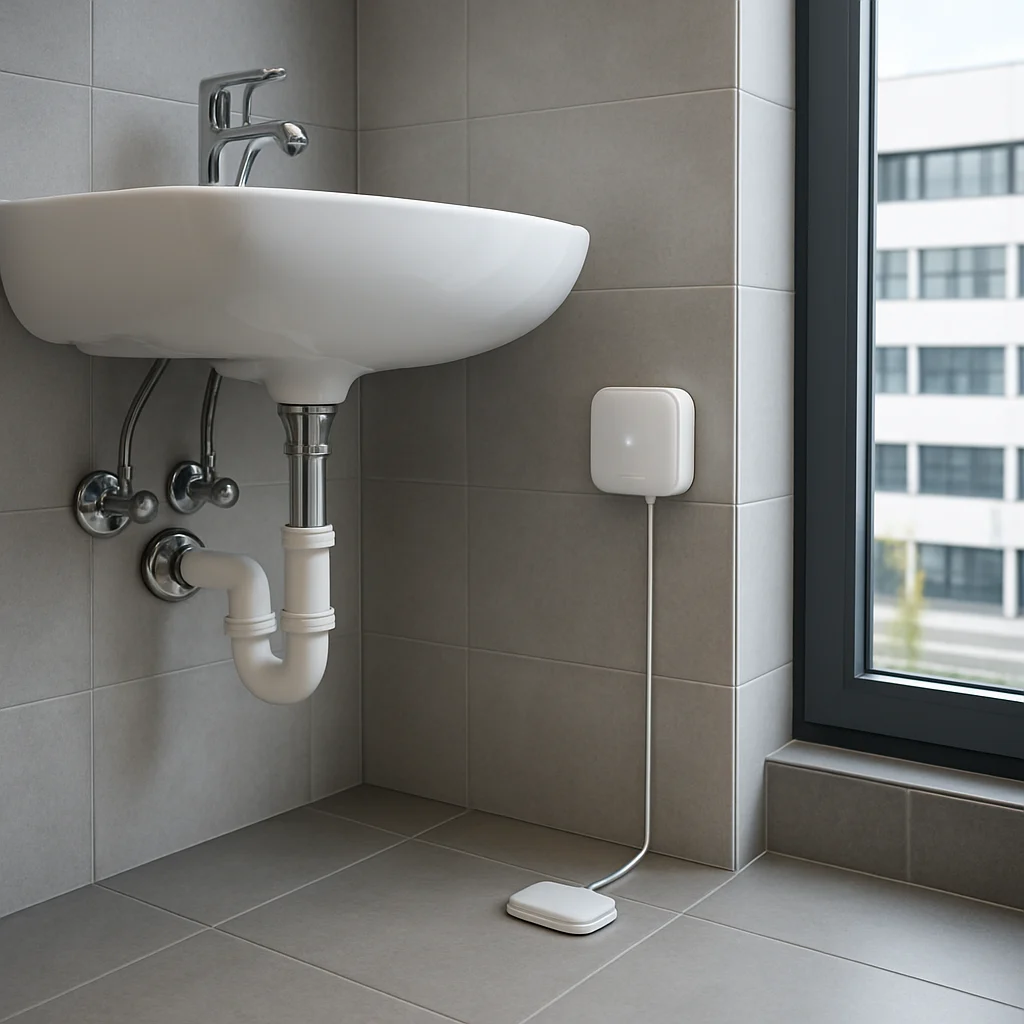
As the construction and real estate industries continue to evolve with technological advancements, smart building technologies are increasingly becoming a focal point for enhancing operational efficiency and sustainability. One of the crucial aspects of smart building systems is water leakage detection, particularly at the fixture level. This article delves into the latest innovations in this field, providing engineers, architects, builders, and real estate professionals with invaluable insights.
Understanding the Importance of Water Leakage Detection
- Mitigating Damage: Water leaks can lead to severe structural damage, mold growth, and increased repair costs. Early detection is essential for preventing extensive harm.
- Enhancing Energy Efficiency: Efficient water management reduces waste and conserves energy, contributing to lower operational costs.
- Regulatory Compliance: Many EU countries have stringent regulations regarding water usage and building maintenance, making effective leakage detection a compliance necessity.
Technologies for Water Leakage Detection at Fixture Level
Advancements in sensor technology and automation have led to several tools designed for efficient water leakage detection at the fixture level. Here, we compare three leading solutions currently available in the market.
| Tool | Features | Pros | Cons |
|---|---|---|---|
| Tool A |
|
|
|
| Tool B |
|
|
|
| Tool C |
|
|
|
Integrating Water Leakage Detection into Smart Building Systems
Integrating water leakage detection systems with broader building management systems (BMS) can significantly enhance their effectiveness. By employing data analytics and machine learning, these systems can learn from historical data to predict potential leaks even before they occur. Key benefits include:
- Centralized Monitoring: Building managers can oversee all systems from a single interface, streamlining responses and reducing downtime.
- Automated Alerts: Automatic notifications to maintenance teams ensure quick responses to potential issues, mitigating damage and preserving tenant satisfaction.
- Enhanced Reporting: Comprehensive data logs assist in regulatory compliance and provide insights for future building projects.
Case Studies in the EU
Several EU-based projects have successfully implemented advanced water leakage detection systems at the fixture level:
- Project X, Germany: Utilized wireless sensors throughout a multi-family dwelling, leading to a 40% reduction in water-related damage.
- Project Y, France: Integrated AI-driven analytics into a commercial complex, resulting in improved tenant communication and reduced maintenance costs.
Conclusion
The incorporation of advanced water leakage detection technologies at the fixture level is revolutionizing how buildings are managed across the EU. By comparing different tools, understanding their unique features, and considering case studies, engineers, architects, builders, and real estate professionals can make informed decisions about implementing these systems in their projects. As the demand for smart buildings continues to rise, staying ahead in technology adoption will be crucial for success.