Integrating Voice Interfaces with Privacy Safeguards in Smart Buildings
This guide explores the integration of voice interfaces in smart buildings across the EU while emphasizing essential privacy safeguards for users.
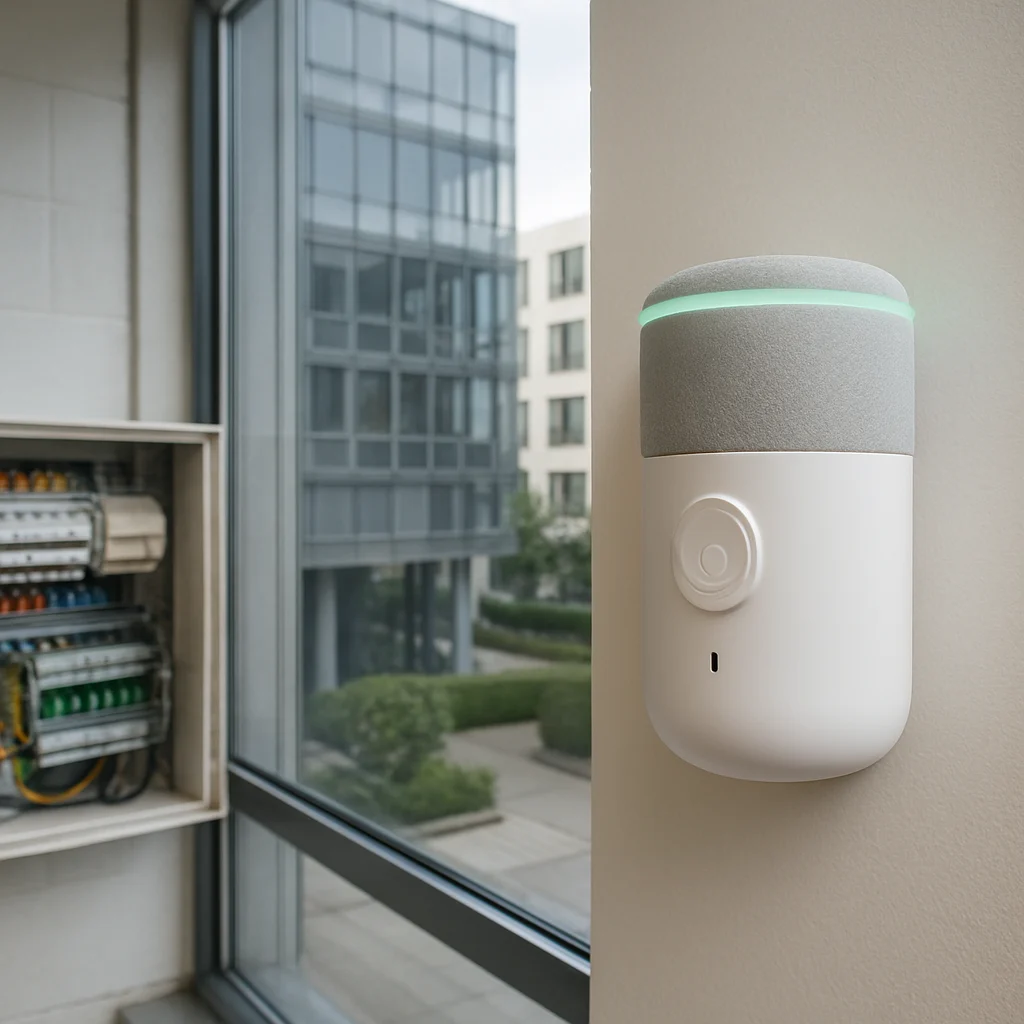
The integration of smart technology within buildings is transforming the architectural landscape in the European Union (EU). Voice interfaces play a pivotal role in this technological evolution, offering users convenience, efficiency, and hands-free control of their environments. However, as these technologies become ubiquitous, ensuring user privacy has emerged as a crucial consideration. This guide provides a step-by-step approach for engineers, architects, builders, and real-estate professionals to effectively implement voice interfaces in smart buildings while prioritizing privacy safeguards.
Understanding Smart Building Technologies
Smart buildings leverage interconnected devices and systems to enhance the efficiency and comfort of living and working spaces. Key features of smart buildings include:
- Automation: Systems automatically adjust lighting, temperature, and security based on user preferences.
- Connectivity: Devices communicate with each other and can be controlled remotely.
- Data Analytics: Data collected from users can be analyzed to further optimize building performance.
Voice interfaces are rapidly becoming a standard feature in smart buildings due to their user-friendly nature.
Step 1: Assessing the Need for Voice Interfaces
Before implementation, it’s crucial to evaluate the need for voice interfaces in your smart building project. Factors to consider include:
- User Demographics: Understand the target audience and their familiarity with technology.
- Building Purpose: Determine if the building serves residential, commercial, or mixed-use purposes.
- Existing Infrastructure: Analyze how voice systems can integrate with current systems.
Step 2: Choosing the Right Voice Interface Technology
Different voice interface technologies offer varying functionalities. Evaluate options such as:
- Cloud-Based Solutions: Services like Amazon Alexa and Google Assistant provide robust features but may raise privacy concerns associated with data storage.
- On-Premise Solutions: These systems store data locally, enhancing privacy but may lack the extensive features of cloud solutions.
- Custom Solutions: For unique projects, custom-built voice interfaces can address specific user needs and privacy requirements.
Step 3: Implementing Privacy Safeguards
With the increasing reliance on voice-activated systems, protecting user data is paramount. Implement the following privacy safeguards:
- Data Encryption: Ensure all voice data is encrypted both in transit and at rest.
- User Consent: Obtain explicit consent from users for data collection and clarify its purpose.
- Anonymous Usage: Whenever possible, anonymize user data to limit exposure.
- Regular Audits: Conduct regular audits of your systems to identify and mitigate potential privacy risks.
Step 4: Training Users on Privacy Practices
Educating users about privacy practices is critical. Create training sessions or provide materials outlining:
- How the voice interface collects and uses data.
- Steps users can take to adjust privacy settings.
- Contact information for privacy concerns or inquiries.
Step 5: Implementing Feedback Mechanisms
Establishing feedback channels allows users to report privacy issues or suggest improvements. Consider the following methods:
- Surveys: Regularly deploy surveys to assess user satisfaction and privacy concerns.
- Direct Communication: Provide a platform for users to contact technical support.
- User Groups: Organize user groups to share experiences and concerns.
Conclusion
The incorporation of voice interfaces in smart buildings can significantly enhance user interaction and convenience. However, safeguarding user privacy must remain a top priority throughout the design and implementation processes. By following these steps, professionals in architecture, engineering, and real estate can create smart building environments that not only leverage cutting-edge technology but also respect and protect user data, fostering trust and satisfaction among occupants.