Smart Building Technology: Unveiling the Truth About BMS, Digital Twins, and Analytics Loops
Explore the truths and myths surrounding Building Management Systems (BMS) enhanced by digital twin technology and analytics loops, and understand their impact on smart buildings in the EU.
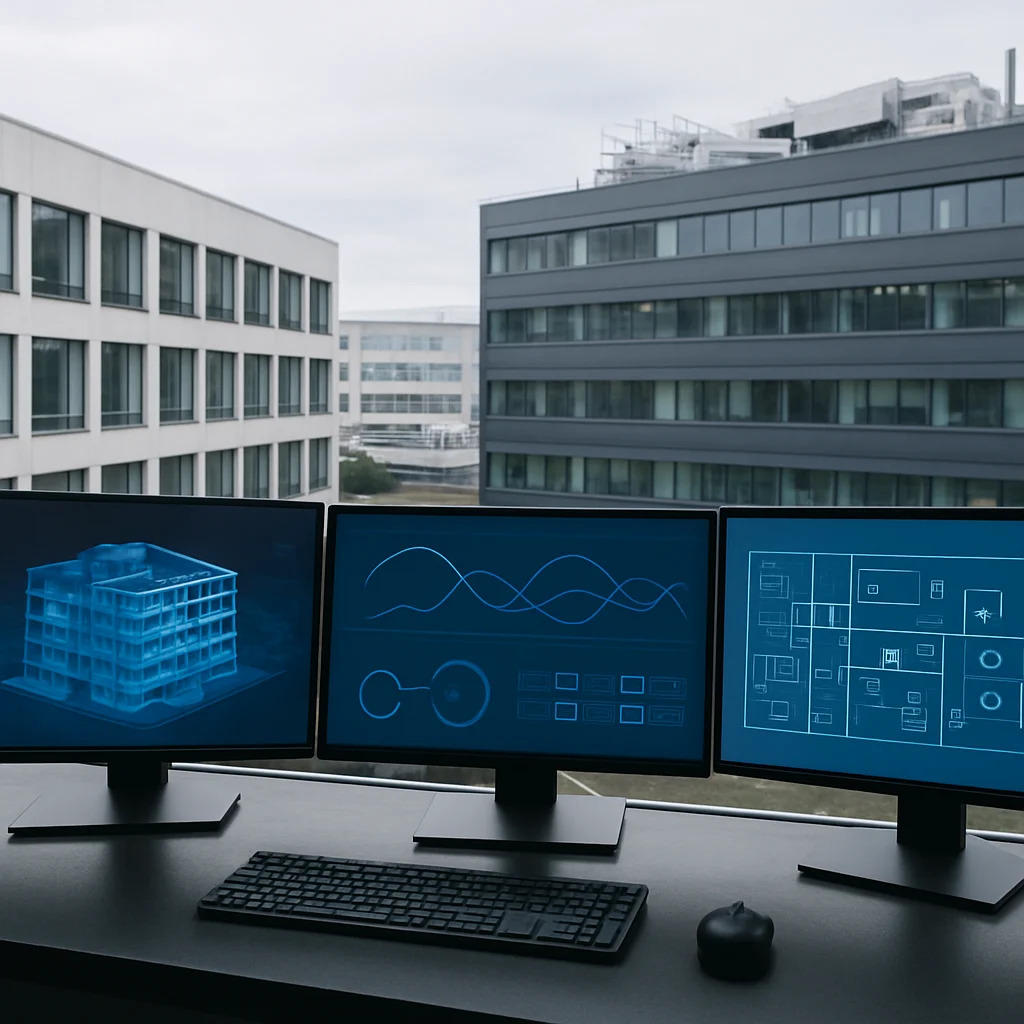
In the rapidly evolving landscape of smart building technology, professionals in engineering, architecture, and real estate are constantly exposed to new terms and concepts. Among these, Building Management Systems (BMS), digital twins, and analytics loops are at the forefront of innovation. However, as with any emerging technology, myths often cloud the realities. This article will dissect some common myths versus facts regarding these technologies, emphasizing their implications in the European context.
Myth 1: Building Management Systems (BMS) Are Only for Large Commercial Buildings
Fact: While BMS have become standard in large infrastructure, they are increasingly adaptable for various building types, including residential and mixed-use developments. The cloud-based BMS solutions now available can provide tailored options for buildings of any size.
Myth 2: Digital Twins Are Just Fancy 3D Models
Fact: Digital twins represent much more than static 3D models; they are dynamic digital replicas that simulate the live conditions of a building. Through real-time data integration, these models can inform maintenance needs, energy usage, and occupant behavior, leading to enhanced operational efficiency.
Myth 3: Implementing Smart Building Technologies Is Too Expensive
Fact: Initial investments in smart technologies may appear high, but the long-term savings from reduced operational costs, increased energy efficiency, and better asset management can outweigh these upfront expenses. Moreover, EU regulations increasingly incentivize the adoption of sustainable technologies.
Myth 4: Analytics Loops Are Only Useful for Large-Scale Operations
Fact: Analytics loops, which involve continuously gathering data, analyzing it, and implementing changes for improvement, can be tailored to operations of all scales. They enable smaller buildings to optimize their systems, leading to significant efficiency improvements with minimal investment.
Myth 5: Once a BMS Is Installed, It Requires Little Maintenance
Fact: A BMS requires regular updates and maintenance to ensure it functions optimally. Continuous data analysis will also reveal potential improvements to existing systems, ultimately enhancing performance and longevity.
Myth 6: Digital Twin Technology Is Only Useful for Infrastructure Planning
Fact: Digital twins not only aid in the initial design and planning phases but also play a vital role in the operation stage. By using real-time data, they can optimize maintenance schedules, enhance occupant comfort, and reduce energy consumption.
Myth 7: Smart Building Technologies Complicate User Experience
Fact: When properly integrated, smart technologies enhance user experience rather than complicating it. User-friendly interfaces and mobile apps can simplify interactions with building systems, allowing occupants to control their environment easily.
Conclusion
As smart building technology continues to evolve, understanding the realities behind BMS, digital twins, and analytics loops in the European context will empower architects, engineers, and real estate professionals to make informed decisions. By recognizing these myths in contrast to established facts, stakeholders can leverage the full potential of smart technologies to create more efficient, productive, and comfortable buildings. Embracing these innovations not only aligns with EU sustainability goals but also future-proofs properties against the ever-changing demands of modern society.