Smart Glass and Daylight Automation: Revolutionizing Smart Building Technology in the EU
In an exclusive interview with Dr. Elena Kovacs, a leading expert in smart building technologies, we explore the transformative role of smart glass and daylight automation in modern architecture and construction across Europe.
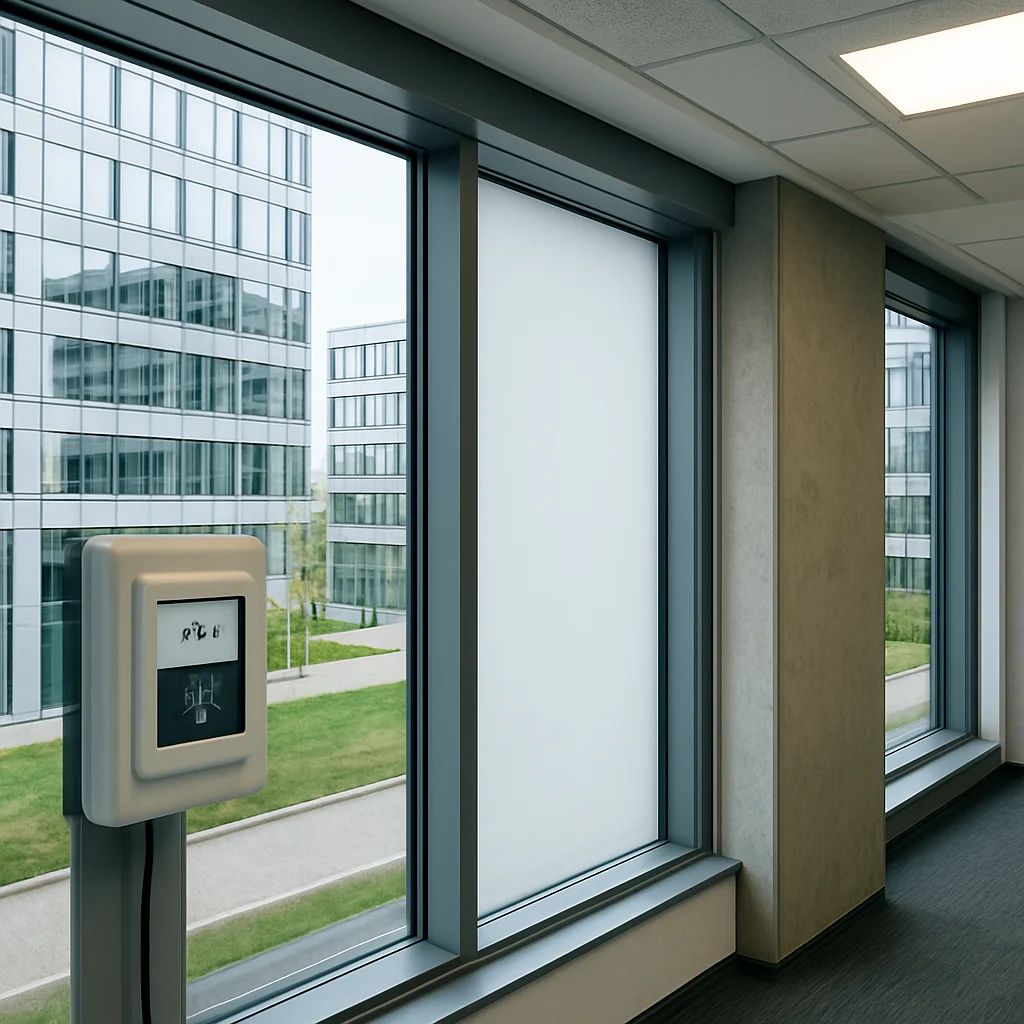
In the ever-evolving landscape of architecture and engineering, smart building technology is no longer just a trend; it’s a necessity for creating sustainable and efficient spaces. To shed light on the role of smart glass and daylight automation in this context, we spoke with Dr. Elena Kovacs, a leading expert in smart building technologies.
What is Smart Glass and How Does It Work?
Dr. Kovacs: Smart glass, or switchable glass, is a type of glazing that can change its properties in response to environmental stimuli such as light, heat, or electricity. There are primarily two types of smart glass: electrochromic and thermochromic. Electrochromic glass changes its tint when a voltage is applied, while thermochromic glass alters its tint based on temperature changes. This technology significantly enhances energy efficiency by reducing the need for artificial lighting and HVAC systems.
What are the Key Benefits of Using Smart Glass in Buildings?
- Energy Efficiency: Smart glass can help lower energy consumption by optimizing natural light levels and reducing reliance on artificial lighting.
- Improved Comfort: By controlling glare and heat gain, smart glass creates more comfortable indoor environments.
- Enhanced Aesthetics: It offers a modern and sleek appearance, improving the overall look of buildings.
- Environmental Impact: Using smart glass contributes to sustainable building practices, minimizing carbon footprints.
Can You Explain Daylight Automation and Its Importance?
Dr. Kovacs: Daylight automation refers to systems that automatically adjust shading and lighting based on the amount of natural light in a space. This technology can include the integration of smart glass, dynamic shading systems, and occupancy sensors. The importance of daylight automation lies in its ability to maximize the use of natural daylight, thereby enhancing energy savings, improving occupant well-being, and increasing productivity.
How Are Smart Glass and Daylight Automation Integrated into Modern Building Designs?
Dr. Kovacs: In modern building designs, smart glass and daylight automation systems are integrated as part of an overall building management strategy. For instance, architects can position smart glass windows on the south-facing side of a structure to maximize sunlight exposure while minimizing glare through automated shading. This not only ensures optimal light levels but also contributes to the thermal comfort of occupants.
What Challenges Do Engineers and Architects Face When Implementing These Technologies?
- Cost: The initial investment for smart glass and advanced automation systems can be higher compared to traditional materials and methods.
- Technical Knowledge: Professionals may require specialized training to effectively design and implement these systems.
- Regulatory Hurdles: Complying with EU regulations on building technologies can sometimes delay project timelines.
What Trends Are You Seeing in the European Market for Smart Buildings?
Dr. Kovacs: The European market is increasingly focusing on sustainability and resilience. We are witnessing a rise in the adoption of smart glass and daylight automation as part of broader green building certifications such as BREEAM and LEED. There is also a growing emphasis on retrofitting existing buildings to improve energy efficiency using these technologies.
Can You Share Any Successful Case Studies from Europe?
Dr. Kovacs: Absolutely! One notable example is the Bosch headquarters in Stuttgart, Germany, which uses extensive smart glass facades and sophisticated daylight automation systems. The building has achieved a significant reduction in energy consumption, showcasing the potential of these technologies in existing structures.
What Future Developments Should We Anticipate in Smart Glass and Daylight Automation?
Dr. Kovacs: Looking forward, I expect advancements in materials science that will lead to even more efficient smart glass options. Additionally, machine learning and AI may play a pivotal role in managing daylight automation systems, allowing for even smarter and more adaptive building environments that respond to real-time data.
Conclusion
Smart building technologies are reshaping the future of architecture and construction, especially in Europe. With innovations like smart glass and daylight automation, we can create spaces that are not only more energy-efficient but also enhance the quality of life for their occupants. The insights from experts like Dr. Elena Kovacs illuminate the path forward for architects, engineers, and builders aiming to integrate these technologies into their projects.