Hydrogen Trucking: Refueling and Safety Codes in the USA
This case study explores the integration of hydrogen trucking into the transportation sector, focusing on refueling technologies and safety codes in the USA. Learn about the challenges and solutions faced by industry stakeholders.
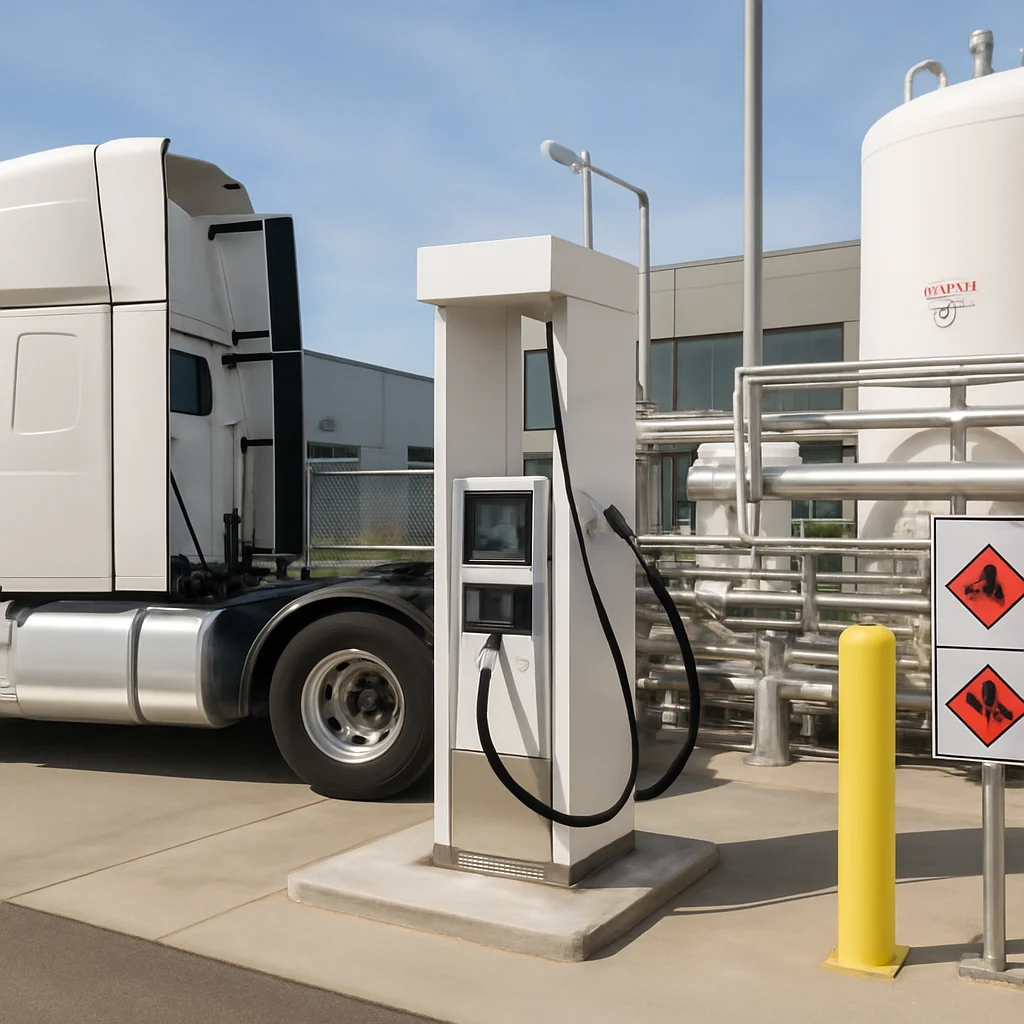
The transportation sector is experiencing a significant transformation with the introduction of hydrogen trucking as a viable alternative to traditional diesel-fueled vehicles. This shift not only aims to reduce greenhouse gas emissions but also seeks to address the challenges of supply chain efficiency and energy dependence. In this mini case study, we will explore the context, constraints, solutions, and lessons learned from the implementation of hydrogen trucking, with a particular focus on refueling technologies and safety codes in the USA.
Context: The Rise of Hydrogen Trucking
The push for greener transportation methods has gained momentum over the past decade, driven by regulatory pressures and shifting consumer preferences. Hydrogen fuel cell vehicles (FCVs), including trucks, offer a promising solution due to their quick refueling times compared to battery-electric vehicles and their capacity to cover long distances, making them particularly appealing for freight transport.
Constraints: Challenges in Implementation
- Infrastructure Limitations: A significant challenge facing the hydrogen trucking industry is the current lack of widespread hydrogen refueling stations. As of 2023, only a limited number of stations exist across the USA, primarily concentrated in urban areas.
- Safety Regulations: The use of hydrogen fuel requires adherence to stringent safety codes to mitigate risks associated with its highly flammable nature. Existing safety regulations were primarily designed for traditional fuels and did not account for the nuances of hydrogen as an energy source.
- Cost Factors: The initial investment for hydrogen production, storage, and refueling infrastructure remains high. This poses a financial barrier for businesses looking to transition to hydrogen trucking.
Solutions: Innovations in Refueling Technologies
To address these constraints, various stakeholders, including government agencies, private companies, and research institutions, have collaborated to develop innovative solutions. Here are some of the key solutions that have emerged:
1. Development of Mobile Refueling Units
One solution is the creation of mobile hydrogen refueling units that can be deployed to various locations, allowing for more flexibility and accessibility in hydrogen distribution. These units can serve remote areas, thereby expanding the reach of hydrogen trucking.
2. Strategic Partnership and Network Expansion
Industry leaders have begun forming strategic partnerships to share resources and expertise. For example, companies like Nikola and Shell are collaborating to build more refueling stations across key freight routes. This synergy helps to decrease infrastructure costs and accelerate station deployment.
3. Updated Safety Codes and Compliance Measures
To ensure the safe use of hydrogen, industry stakeholders, including the National Fire Protection Association (NFPA) and the American Society of Mechanical Engineers (ASME), have been actively revising safety codes. New guidelines encompass:
- Storage Requirements: Enhanced standards for hydrogen storage facilities to prevent leaks and ensure containment.
- Design Protocols: Compliance measures for the design and operation of refueling stations, including ventilation and emergency protocols.
- Training Modules: Development of safety training programs for personnel involved in hydrogen refueling operations.
Lessons Learned: Navigating the Future of Hydrogen Trucking
The journey towards integrating hydrogen trucking into the United States' transportation landscape has yielded several insightful lessons for engineers, architects, and real estate professionals:
- Collaboration is Key: Successful implementation hinges on collaboration between government, industry, and academia. Stakeholders must work together to address technical, financial, and regulatory challenges.
- Public Awareness and Acceptance: Educating the public about the benefits and safety of hydrogen as a fuel source is crucial for widespread adoption. Campaigns emphasizing its environmental advantages can help alleviate concerns.
- Incremental Infrastructure Development: Rather than attempting to build a nationwide network overnight, a more effective approach involves phased expansions focusing on high-demand freight corridors.
Conclusion
As hydrogen trucking continues to evolve, its potential to revolutionize the transportation sector is undeniable. By addressing the challenges of refueling technology and safety codes, stakeholders can pave the way for a cleaner, more efficient future in freight transport. Strategic partnerships, innovative solutions, and a focus on safety will be instrumental in realizing the vision of hydrogen as a mainstream energy source in the USA.