Understanding V2I Corridors and Signal Priority Analytics in Smart Transportation
This article delves into Vehicle-to-Infrastructure (V2I) communication corridors and the implications of signal priority analytics, focusing on relevant standards and practices in the USA.
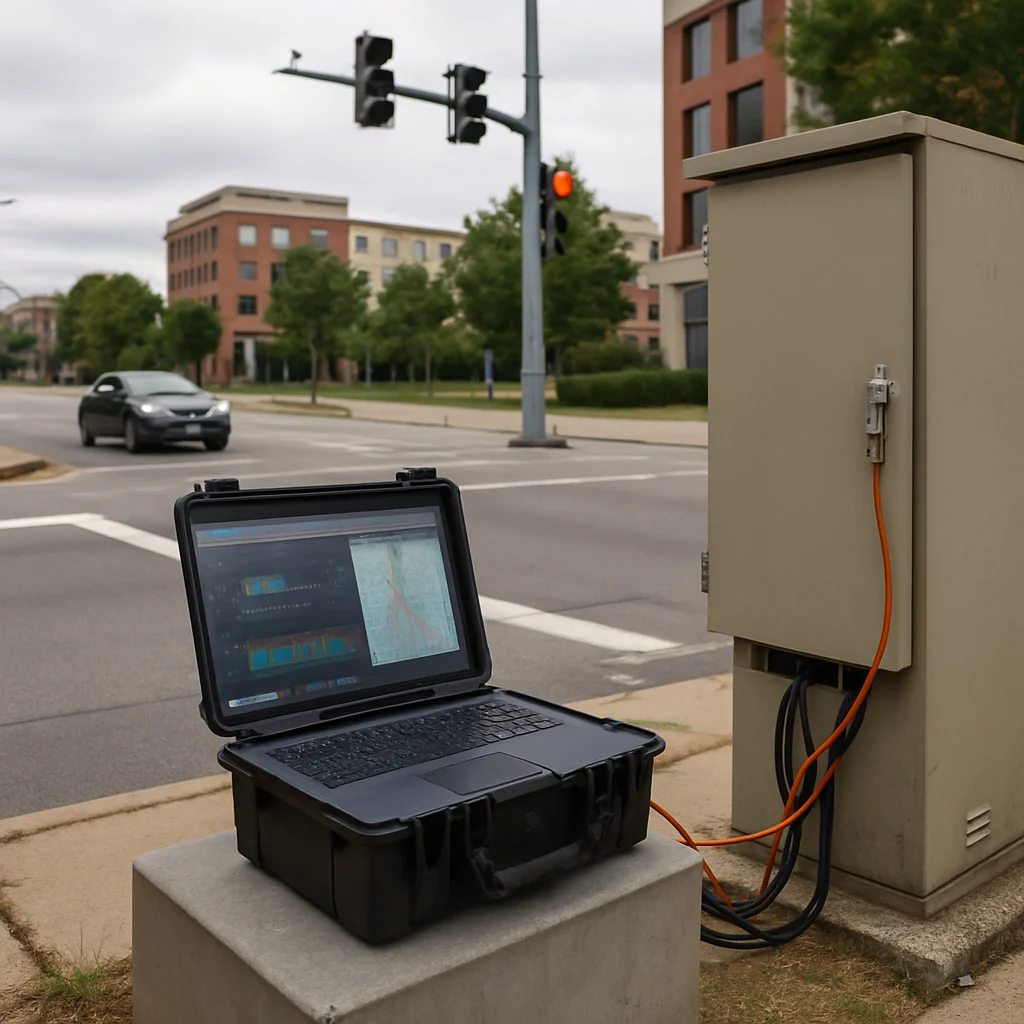
As urban environments rapidly evolve, the integration of technology into transportation systems becomes paramount. Vehicle-to-Infrastructure (V2I) communication plays a critical role in the development of smart transportation corridors, which are essential for enhancing traffic flow, reducing congestion, and improving overall safety on roads. This article will explore the intricacies of V2I corridors and signal priority analytics, highlighting the relevant standards and codes that guide their implementation in the USA.
What are V2I Corridors?
V2I corridors are defined as segments of roadways equipped with communication technologies that allow vehicles to interact with surrounding infrastructure. This encompasses traffic signals, road signs, and other roadside equipment. Through this communication, data is exchanged to optimize traffic management and enhance safety. Here are some key components:
- Communication Technologies: These include Dedicated Short-Range Communications (DSRC), cellular networks, and emerging 5G technologies.
- Infrastructure Components: Smart traffic lights, intelligent transportation systems (ITS), and sensors are integral to the functioning of V2I corridors.
- User Interfaces: Mobile applications and in-vehicle systems that facilitate user interaction with the infrastructure.
Signal Priority Analytics
Signal priority analytics leverage data from V2I systems to adjust traffic signal timings based on real-time conditions. The aim is to improve traffic flow, especially for emergency vehicles and public transit. The analytics operate through several methodologies:
- Data Collection: Sensors gather information regarding traffic density, vehicle speed, and other relevant metrics.
- Algorithmic Processing: Using statistical models and machine learning, the data is processed to determine optimal signal timings.
- Implementation: Adjustments to signal timings based on the processed data are executed in real-time to enhance traffic movement.
Standards and Codes Governing V2I Technologies
The adoption of V2I technologies in the USA is shaped by various standards and codes, which ensure interoperability, safety, and efficacy. Key standards include:
- IEEE 802.11p: This standard defines the wireless communication protocols used in vehicular networks, including V2I applications.
- SAE J2735: This standard outlines the data formats for messages exchanged between vehicles and infrastructure, facilitating a structured communication framework.
- USDOT Intelligent Transportation Systems (ITS) Architecture: This framework guides the integration of various ITS components, including V2I systems, to achieve seamless transportation networks.
- ISO 21217: This specifies the architecture of Intelligent Transport Systems, ensuring that different systems can work together effectively.
Real-World Applications and Implications
Implementing V2I corridors and signal priority analytics comes with both challenges and opportunities. Here are key implications for architects, engineers, and real estate professionals:
- Enhanced Traffic Flow: By optimizing signal timings and reducing wait times, V2I systems contribute to smoother traffic movement, which can enhance access to businesses and residential areas.
- Environmental Impact: Improved traffic flow can lead to reduced fuel consumption and lower emissions, contributing to sustainable urban development.
- Safety Improvements: Enhanced communication between vehicles and infrastructure can lead to quicker response times for emergency vehicles, potentially saving lives.
- Urban Planning Opportunities: Understanding traffic patterns through data analytics allows for better planning of transportation networks and infrastructure needs.
Challenges Ahead
Despite the evident benefits, several challenges impede the widespread adoption of V2I corridors:
- Infrastructure Costs: Upgrading traditional systems to integrate V2I technologies can be capital-intensive.
- Data Privacy: Ensuring the security and privacy of user data is essential in the deployment of V2I systems, raising legal and ethical considerations.
- Interoperability Issues: Ensuring that various systems can communicate effectively presents significant technical hurdles.
Conclusion
As the USA moves towards more intelligent transportation systems, understanding and implementing V2I corridors and signal priority analytics is crucial. By adhering to established standards and codes, engineers, architects, and real estate professionals can play an essential role in shaping the future of urban mobility. The successful integration of these technologies not only improves traffic management but contributes to the creation of sustainable, efficient cities.