Mass Timber with Hybrid Connection Strategies: A Sustainable Solution for EU Architecture
This article delves into the innovative use of mass timber combined with hybrid connection strategies, discussing its sustainable benefits, relevant standards, and applications in European architecture.
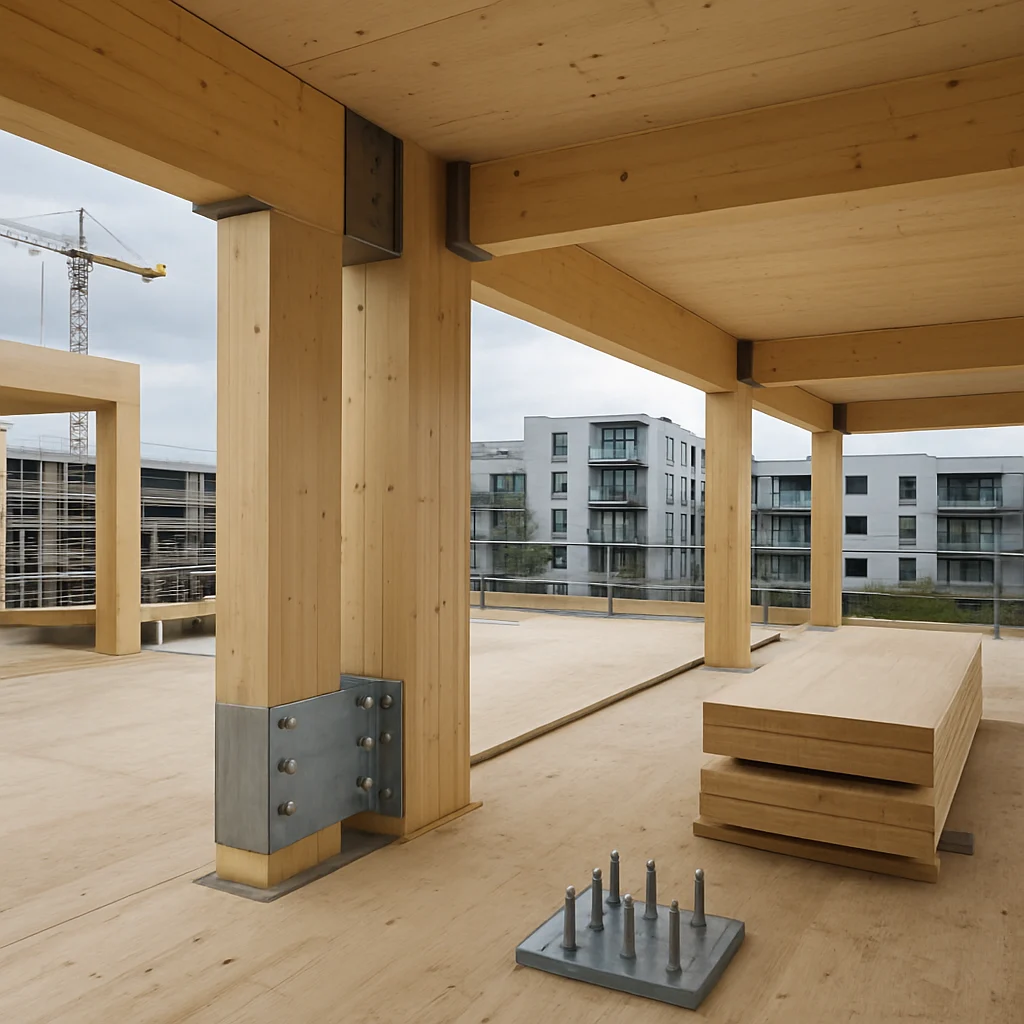
As the urgency for sustainable building solutions intensifies, architects and engineers are increasingly turning towards mass timber as a key material. This article examines how mass timber, combined with hybrid connection strategies, serves as an innovative and eco-friendly choice for modern architecture in the European Union (EU). We will explore relevant standards, practical applications, and the benefits of this approach.
Understanding Mass Timber
Mass timber refers to large engineered wood products made from smaller pieces of wood that have been glued, nailed, or otherwise bonded together. This technique not only enhances the strength and stability of timber but also allows for the creation of larger structural elements, such as cross-laminated timber (CLT), laminated veneer lumber (LVL), and glued-laminated timber (glulam). The use of mass timber in construction is a reflection of a broader shift toward sustainable design, leveraging renewable resources while contributing to carbon sequestration.
Hybrid Connection Strategies in Wood Construction
Hybrid connection strategies involve integrating various materials and connection systems to enhance the structural integrity and performance of timber constructions. These strategies may include:
- Metal Connectors: Steel connectors, such as bolts or plates, can be used to join timber elements, increasing strength and allowing for more complex geometries.
- Concrete and Timber Composites: Combining concrete with timber can help utilize the compressive strength of concrete while benefiting from the lightweight nature of timber.
- Pre-fabrication Techniques: Utilizing prefabricated components can reduce on-site construction time and improve build quality.
By leveraging these hybrid strategies, architects and engineers can maximize the benefits of mass timber while mitigating any inherent limitations.
Standards and Codes for Mass Timber Construction in the EU
The design and construction of mass timber structures are governed by various standards within the EU that ensure safety, performance, and sustainability. Notable among them are:
Eurocode 5
Eurocode 5 establishes principles for the design of timber structures and covers aspects such as:
- Material Properties: Specifications for the mechanical properties of timber, including yield strength and modulus of elasticity.
- Strength Assessment: Guidelines for assessing the strength of timber members based on factors like size, load, and environmental conditions.
- Fire Safety: Recommendations regarding fire resistance and the appropriate protective measures for timber elements.
ACI 318 for Structural Concrete
While ACI 318 primarily addresses concrete structures, its principles can be beneficial for hybrid construction techniques. Key clauses relevant to hybrid systems include:
- Interaction with Timber: Guidelines on how concrete and timber elements can interact in terms of load transfer and composite action.
- Durability Considerations: Recommendations on protecting timber components from moisture and decay when coupled with concrete.
Benefits of Mass Timber with Hybrid Connection Strategies
The integration of mass timber with hybrid connection methods offers numerous benefits, particularly in the context of sustainable design:
- Environmental Impact: Timber is a renewable resource, and properly managed forests can contribute to biodiversity and carbon capture.
- Structural Efficiency: Hybrid systems can create lightweight structures that require less material and reduce overall construction costs.
- Enhanced Aesthetics: Exposed timber can create visually appealing spaces, connecting occupants with natural materials.
- Performance and Versatility: Hybrid designs can accommodate various architectural forms and functions, supporting a wide range of building types and uses.
Case Studies: Successful Applications in EU Architecture
Several notable projects in the EU demonstrate the successful application of mass timber with hybrid connection strategies:
- The Smile: A pioneering residential project in Amsterdam, which combines CLT panels and steel connections, is celebrated for its sustainability and innovative design.
- Frameless Wood Frame: Located in London, this commercial building utilizes timber and concrete in its façade to achieve energy efficiency and modern aesthetics.
Conclusion
Mass timber, combined with innovative hybrid connection strategies, offers a sustainable pathway for future architecture and engineering in the EU. With the backing of rigorous standards such as Eurocode 5 and ACI 318, this approach not only supports environmental goals but also enhances structural performance and aesthetics. As we continue to explore and refine these methodologies, mass timber can play a pivotal role in reducing the carbon footprint of the built environment, driving us toward a more sustainable future in construction.