Guide to Construction Material Transportation and Site Logistics
When people think of construction, they often focus on the actual creation of infrastructure. Read more on Vision Constructors for practical industry insights.
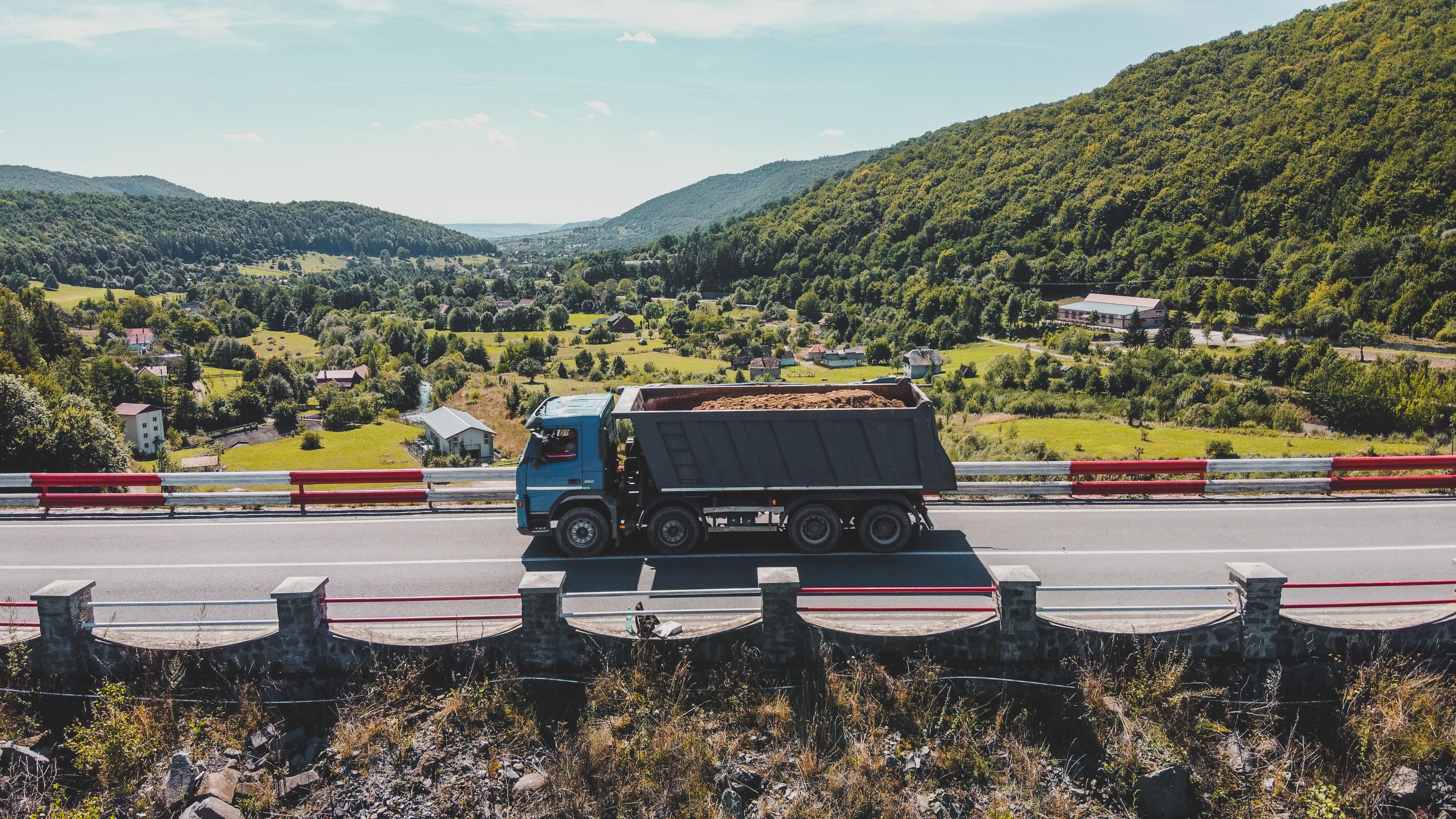
When people think of construction, they often focus on the actual creation of infrastructure. However, there’s a lot more that goes into it than that with material transportation being one of the most time and energy consuming tasks. Taking pieces of essential materials from one side of the construction site is one thing, but getting all the necessary material on-site when it’s scheduled is crucial to ensuring that everything goes smoothly.
In this guide, we will explore how to improve the efficiency of material transportation, helping to improve site logistics. Continue reading to find out more.
Improving Construction Site Efficiency
Inbound Transportation and Freight
When you’re transporting goods into your construction site, you need vehicles that match the load. If it’s just small tools and light parts you’re transporting, there’s no point using large trucks as these things won’t take up much space. This is when you’d use vans or pickups for the job. However, let’s say you’re transporting steel bars and wood that’s essential for your build, you might level this up to flatbed trucks. You’ve then got dump trucks that are great for transporting dirt, sand or gravel and heavy healers like HGVs that are needed to take heavy machinery to the construction sites. This is why you need someone that has done HGV training courses with Lifft Group on hand at all times.
Also, it’s important to make sure that you schedule deliveries to match exact installation phases, avoiding site congestion and double-handling. Verifying public road weight limits should also be done prior to setting off.
On-Site Staging and Material Flow
To improve the material flow for your construction site, it’s important to plan out the exact route from the unloading gate to the point of installation. This makes sure that everything goes as planned without any incidents and then if something does happen, you can have a plan in place to correct it. If you want to further improve this, you can group materials by usage frequency and proximity to active work zones, so they’re always in the right place.
For equipment allocation, you can position telehandlers, mobile cranes and hoists for real-time distribution across vertical and horizontal zones.
Site Access and Safety Control
You need to make sure that everyone on the construction site is safe. Traffic management is crucial for this, as keeping separate heavy vehicles routes from pedestrian walkways will keep any passers by safe from potential hazards. This can be optimised with the addition of physical barriers and signage that lets everyone know to keep a safe distance. Separate entry and exit points should also be included if possible to ensure a continuous one-way flow of traffic.
To get everyone ready for cases of emergency, you should always keep fire lanes free and have good access to emergency vehicles. This means that everyone can get away from potential dangers more efficiently.
Waste and Outbound Logistics
Implementing reverse logistics into your construction site can be very beneficial. This allows you to promptly remove excess materials, return empty pallets and send back rental equipment that’s no longer needed. Making these processes quicker will save a lot of time that can be used to spend more time making sure the build meets all the required expectations.
Having dedicated skip zones is also a great idea, as this allows you to position waste dumpers and recycling collection points in places that are easily accessible. This makes haulage much more efficient.
Final Thoughts
To make sure the construction site is more efficient and there’s less chance of things going wrong, material transportation and site logistics need to be stellar. Having plans in place is a great idea, as this can ensure you’re doing everything necessary and can make the appropriate changes when required.