Dave Evans to Lead Misumi Americas: A New Era of AI-Powered Manufacturing Integration
In a strategic move to dominate the on-demand manufacturing sector, Misumi Americas has appointed Dave Evans as President to spearhead the critical integration of Fictiv's AI-powered digital manufacturing platform.
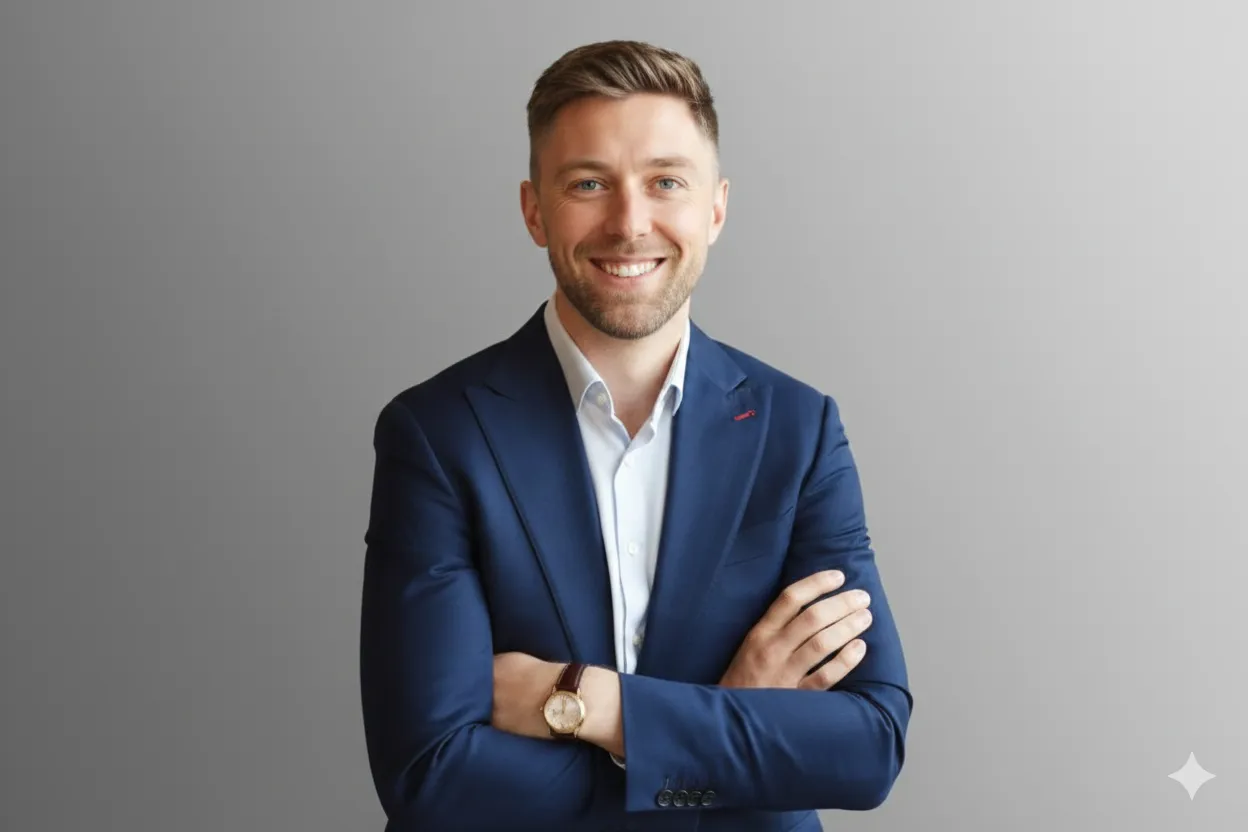
A Landmark Appointment for a New Manufacturing Paradigm
In a move that signals a seismic shift in the industrial components and on-demand manufacturing sectors, Misumi Group Inc. has appointed Dave Evans as the new President of Misumi Americas. This is not a routine changing of the guard; it is a strategic masterstroke designed to orchestrate the full-scale integration of Fictiv, the digital manufacturing powerhouse Misumi acquired in a landmark deal. Evans, a seasoned executive with a deep background in scaling technology-driven operations, is tasked with a monumental challenge: to merge two distinct corporate entities into a single, cohesive, AI-powered platform that redefines how physical products are designed, sourced, and manufactured. This appointment marks the beginning of a new chapter, not just for Misumi and Fictiv, but for the entire global manufacturing supply chain, promising a future of unprecedented speed, agility, and data-driven precision.
The context for this move is critical. Modern manufacturing is grappling with immense pressures, from persistent supply chain disruptions and geopolitical volatility to the relentless demand for faster product development cycles and mass customization. Traditional procurement models, characterized by fragmented supplier bases, lengthy quoting processes, and opaque production timelines, are no longer adequate. The acquisition of Fictiv by Misumi was a direct response to this industry-wide pain point. Misumi, a titan in the configurable and standard industrial components space with a vast catalog and global logistics network, recognized the need for a digital-first approach to custom manufacturing. Fictiv, with its sophisticated AI-driven platform connecting engineers with a highly vetted global network of manufacturers, provided the missing piece of the puzzle. Now, with Dave Evans at the helm, the theoretical synergy of this merger is set to become an operational reality, creating an end-to-end ecosystem that spans from a single standard screw to a complex, custom-machined aerospace part.
The Strategic Rationale: Forging an Unbeatable Value Proposition
To fully appreciate the significance of Evans's role, one must first deconstruct the strategic logic behind the Misumi-Fictiv union. Misumi built its empire on the principle of configuration and reliability. Engineers have long relied on its extensive catalog for high-quality, standardized components with predictable lead times. However, the custom manufacturing side of product development remained a significant bottleneck. Fictiv attacked this problem head-on, building a Digital Manufacturing Ecosystem (DME) that leverages artificial intelligence to provide instant quotes, Design for Manufacturability (DFM) feedback, and intelligent matching of jobs to the optimal manufacturing partner. This digital-first model drastically reduces friction and accelerates development timelines.
The combined entity aims to create a 'one-stop-shop' for product developers. An engineer designing a new piece of industrial automation equipment can now source all their standard bearings, shafts, and fasteners from the Misumi catalog while simultaneously uploading their custom-designed chassis or bracket designs to the integrated Fictiv platform for immediate quoting and production. This unified workflow is the holy grail of modern procurement. It eliminates the need to manage dozens of separate vendors, streamlines purchasing orders, and provides a single source of truth for project timelines and costs. Evans's primary mandate will be to weave these two operational models—Misumi's logistics-heavy catalog business and Fictiv's asset-light, data-intensive platform—into a seamless customer experience. This requires more than just API integrations; it demands a fundamental rethinking of business processes, data architecture, and corporate culture.
Dave Evans: The Architect of Integration
Dave Evans is not a traditional manufacturing executive. His career has been defined by his ability to leverage technology to transform complex, legacy operations. His experience in scaling software-as-a-service (SaaS) platforms and managing global supply chain logistics makes him uniquely qualified for this role. The board's choice signals a clear intention: this integration will be technology-led. Evans's challenge is twofold. First, he must oversee the complex technical task of merging Misumi's robust ERP and inventory management systems with Fictiv's cloud-native, AI-powered platform. This involves creating a unified data layer that can provide real-time visibility across the entire product lifecycle, from initial design upload to final delivery. This is akin to creating a comprehensive digital blueprint for production, a concept explored in The Digital Twin Revolution: BIM and Data-Driven Construction, where digital models are used to optimize physical assets. In this case, the asset is the entire manufacturing process.
Second, and perhaps more challenging, Evans must navigate the cultural integration. Misumi is a well-established global corporation with a culture built on precision, process, and operational excellence. Fictiv is a Silicon Valley-bred disruptor, characterized by rapid iteration, agility, and a software-first mindset. Melding these two cultures without stifling the innovation that made Fictiv so attractive is a delicate balancing act. Evans will need to champion a new, hybrid culture that values both the disciplined execution of Misumi and the agile innovation of Fictiv, fostering an environment where data scientists and logistics experts can collaborate effectively to solve customer problems.
A Technical Deep Dive: The AI-Powered Manufacturing Operating System
At the heart of this new integrated entity is the concept of a Manufacturing Operating System (MOS). This AI-powered platform will serve as the central nervous system, intelligently managing the flow of information, orders, and physical parts. The core technologies enabling this vision are worth examining in detail.
Unified Quoting and Manufacturability Analysis
The first point of integration will be the user-facing quoting engine. Fictiv's AI analyzes CAD files in seconds, assessing geometric complexity, identifying potential manufacturing issues, and generating a precise quote based on material, process, and required tolerances. The goal is to expand this capability to work in concert with Misumi's catalog. The platform could, for instance, analyze an assembly and suggest using a standard Misumi component instead of a more expensive custom part, optimizing for both cost and lead time. This instant DFM feedback loop empowers engineers to make better design decisions upfront, preventing costly errors and delays down the line. As noted by industry analysts at McKinsey, improving supply chain resilience and efficiency is a top priority for global enterprises, and this type of integrated digital tool is a direct answer to that need.
Intelligent Supplier Network and Quality Control
Fictiv's platform is built on a highly curated network of manufacturing partners, each vetted for their specific capabilities and quality standards. The AI's 'matchmaking' algorithm routes jobs to the supplier best equipped to handle the specific requirements, considering factors like material expertise, machine availability, and geographic location to optimize for speed and quality. Under Evans's leadership, this network will be expanded and integrated with Misumi's own production facilities and strategic suppliers. The platform will provide a unified quality control framework, using data analytics to monitor performance, track key metrics, and ensure consistency whether a part is made in a Misumi factory or by a Fictiv network partner. This level of control and visibility is essential for serving mission-critical industries like aerospace, medical devices, and automotive. The complexity of managing these distributed production assets mirrors the challenges in large-scale industrial automation, where integrating robot fleets and mission scheduling is key to operational efficiency.
Predictive Logistics and Supply Chain Optimization
By combining Fictiv's real-time production data with Misumi's vast logistics and inventory data, the integrated platform can move beyond reactive order fulfillment to predictive supply chain management. The system will be able to forecast demand for certain materials and components, proactively manage inventory levels across a global network of warehouses, and optimize shipping routes to minimize lead times and carbon footprint. For a customer, this means greater predictability and reliability. For the business, it means increased efficiency, reduced waste, and higher margins. The physical infrastructure required to support this, from massive distribution centers to advanced manufacturing plants, represents a significant capital investment. The stability of these physical assets is paramount; just as next-generation skyscrapers require unshakable foundations detailed in studies on advanced foundation engineering, this global manufacturing network relies on a robust and resilient physical footprint. The total investment in these digital and physical systems contributes significantly to the global real estate value tied to industrial assets.
Market Impact and the New Competitive Frontier
The appointment of Dave Evans and the aggressive integration strategy it represents is a direct challenge to the rest of the on-demand manufacturing market. Competitors like Protolabs and Xometry, who have also been building out their platforms and supplier networks, now face a far more formidable rival. The new Misumi Americas is not just a digital manufacturing service; it is an end-to-end industrial supply partner. Its ability to seamlessly provide both standard and custom parts at scale, backed by a global logistics network, creates a competitive moat that will be difficult to replicate. This move is a clear example of the type of bold, category-defining innovation that reshapes industries.
The impact will be felt most acutely by traditional distributors and smaller machine shops. As the integrated Misumi-Fictiv platform makes it easier, faster, and more cost-effective to source parts, the pressure on legacy players to digitize their own operations will intensify. The new benchmark for success will be a seamless digital customer experience, transparent pricing, and guaranteed quality and speed. Evans's success in executing this vision will likely accelerate the digital transformation of the entire manufacturing sector, forcing a wave of consolidation and technological adoption across the industry.
Conclusion: A New Titan Forged from Steel and Silicon
The selection of Dave Evans to lead Misumi Americas is far more than a corporate announcement; it is a declaration of intent. It signifies the full commitment to a future where the boundary between the digital and physical worlds of manufacturing dissolves. The task ahead is immense, requiring a masterful blend of technological innovation, operational excellence, and strategic leadership. By successfully integrating Fictiv's agile, AI-driven platform with Misumi's global scale and component expertise, Evans is positioned to build a true end-to-end manufacturing ecosystem. This new entity will not only provide immense value to its customers but will also set a new standard for the entire industry, accelerating the arrival of a smarter, more resilient, and more efficient future for global manufacturing. The industrial world is watching closely, as the architect of this integration begins the critical work of building a new titan forged from both steel and silicon.