How to Keep Dozer Downtime From Derailing an Earthwork Schedule
How to Keep Dozer Downtime From Derailing an Earthwork Schedule A dozer goes down halfway through a building pad. Read more on Vision Constructors for practical industry insights.
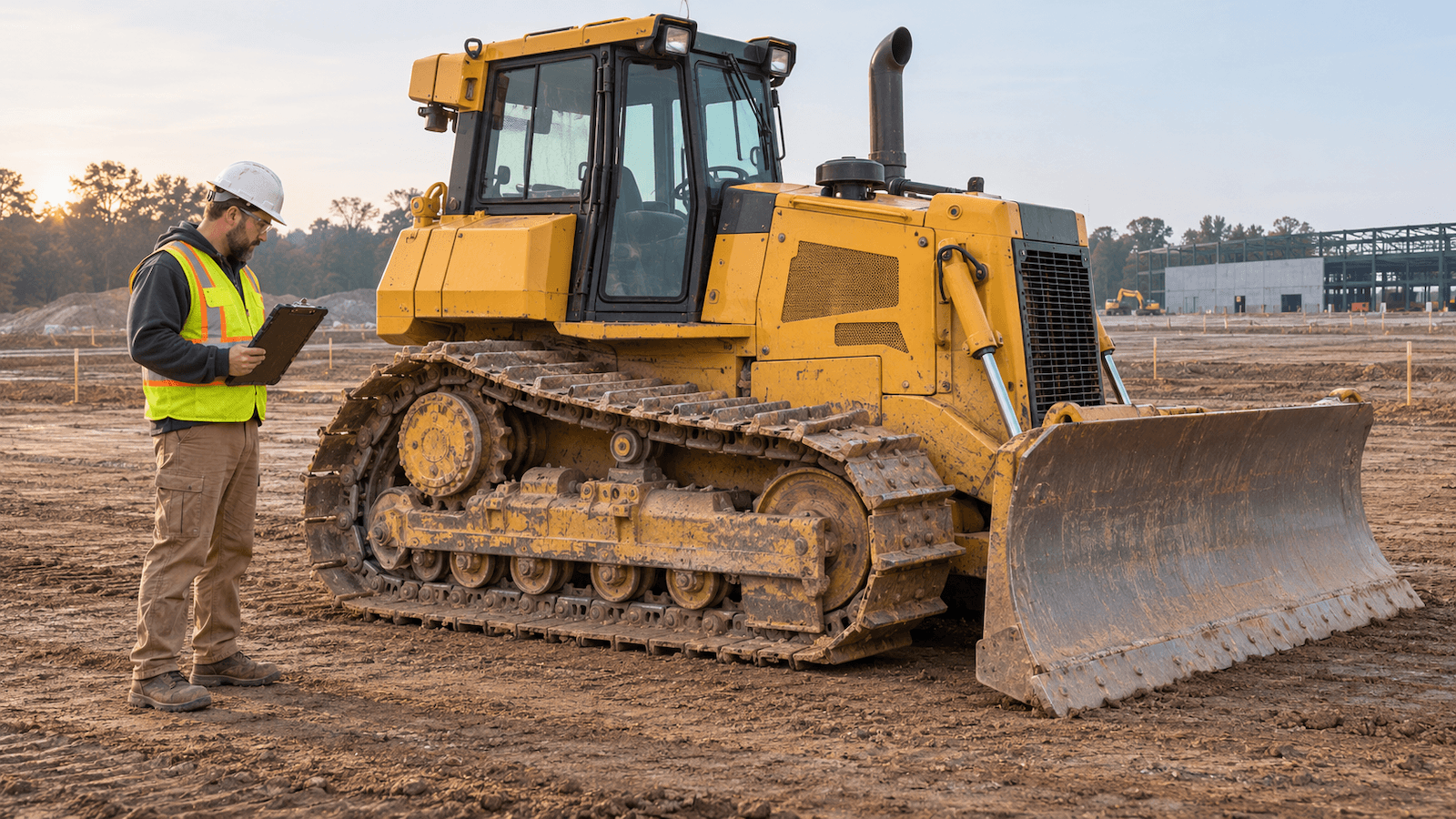
A dozer goes down halfway through a building pad. The mechanic is looking for a replacement part, but the superintendent has a different problem. The grading crew was supposed to hand over the pad on Thursday, and the next trade has already booked its crew and equipment. A repair that takes two days can move that handoff by a week if the next crew has to reschedule.
Earthwork teams can reduce that risk by treating equipment availability as part of the schedule. Identify where a machine outage would stop work, give the shop time to act on wear measurements, and decide how long the job can wait for a repair before it needs a backup machine.
Identify Which Machines Control the Next Handoff
Start with the next two weeks of work. Use the Last Planner System’s make-ready planning approach to identify equipment constraints before crews commit to the work. Mark the activities that depend on a specific dozer and note what each one releases. Rough grading may open an area for utility work. Finish grading may release a building pad for verification and turnover. A dozer maintaining haul access may keep trucks moving even when that support work has no separate line in the schedule.
When coordinating specialist subcontractors, flag which equipment delays could affect their scheduled start. For each activity, ask how much time the crew can lose before another trade or milestone is affected. A machine can be heavily used and still have backup coverage. A finish-grading dozer that works only a few hours a day can carry more schedule risk if it is the only machine set up for the required grade control. Confirm which backup machine and operator could do the work and how long it would take to get them on site.
Use Undercarriage Wear to Plan Shop Time
Operators are often the first to notice a change in how a machine tracks, a new noise, or uneven wear. Give them a straightforward way to report what changed, which side it came from, and when it started. The shop can use that information to decide whether the machine needs immediate attention or whether a qualified technician can assess it during a planned service window.
Have the technician use the manufacturer’s inspection procedures and wear limits for the specific machine. Record the date, machine hours, and measurements for both sides so the shop can compare readings over time. When a component approaches its service limit, review the trend alongside the upcoming workload. A dozer about to spend several weeks on abrasive ground may need an earlier repair window than one with a short assignment followed by scheduled shop time.
Ask the technician to assess related components before setting the repair scope. A quote for a track chain and a quote for a matched set of chains and sprockets cover different jobs. The condition of the mating components helps determine which scope makes sense and whether a smaller repair could lead to a second shutdown.
Verify Parts Fitment Before Scheduling the Repair
Start with the make, model, and full serial number. Serial breaks, track configurations, and previous repairs can change which parts fit. Record any legible part numbers, and if the undercarriage has been changed, document the configuration currently on the machine. Include photos of the serial plate and relevant components when requesting a quote.
When requesting a quote for aftermarket dozer undercarriage parts, confirm fitment, what the quote includes, and when the parts can reach the shop or jobsite. Ask whether hardware is included and whether the parts will arrive together. Then reserve the technician, shop space, and any equipment needed for the repair around the expected delivery. A roller that ships on Monday can still miss a Tuesday repair slot if the shipment requires another day in transit.
Set a Deadline for Repair, Rental, or Resequencing
Work backward from the handoff to find the latest time the dozer must be back in production. A rental estimate should include mobilization and any setup the work requires. A repair estimate should include parts delivery, technician availability, and time to check the machine before releasing it. Resequencing buys time when another area is ready and moving the crew leaves the original handoff intact.
Suppose a crew has two shifts of finish grading left before a Thursday afternoon handoff. On Monday, a technician estimates the repaired machine will be available Thursday morning. Even if the repair stays on schedule, the crew has less than a full shift before turnover. If a compatible rental can arrive Tuesday and be ready for Wednesday’s shift, it could give the crew the time it needs. The superintendent should confirm the actual working hours available before turnover and when the rental must be booked to hold that delivery slot. Waiting until Thursday to make the call could close both options.
Put Equipment Decisions on the Look-Ahead Schedule
Give each schedule-critical machine a line in the weekly look-ahead. Record the work it supports, its next service date, any open parts order, the backup plan, and who makes the call. Update that line when a wear measurement changes the repair scope, a delivery date slips, or the project moves a handoff forward.
The shop needs to know when the crew can release the machine. The superintendent needs to know when the shop can return it to production. Putting both dates on the same schedule gives the team time to order parts, move work, or book a rental while those options are still available.
EquipXR
EquipXR is a supplier of high-quality aftermarket heavy equipment parts for the construction and agriculture industries. We are committed to delivering high-quality parts...